

Rett Syndrome
Overview

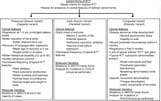
Variants of Rett syndrome, or atypical Rett syndrome, can include preserved speech, early seizures, and FOXG1-related disorder previously known as congenital onset. [Neul: 2010] The validity of the developmental regression in the diagnosis of Rett syndrome is questioned by many, with a possible explanation being that developmental milestones were achieved late or not at all and behavioral characteristics, such as hand movements, appeared without an actual regression. [Cosentino: 2019] [Einspieler: 2019] [Charman: 2002]
Other Names & Coding
F84.2, Rett syndrome
ICD-10 for Rett Syndrome (icd10data.com) provides further coding details.
Prevalence
Genetics
While Rett syndrome and MECP2-related disorders are often used synonymously, there is not complete overlap between these terms. Up to 5% of girls meeting clinical criteria of typical Rett syndrome will have negative MECP2 testing, and MECP2 mutations are much less common among cases meeting clinical criteria for atypical Rett syndrome. [Neul: 2010] Additionally, MECP2-related disorders encompass many more clinical syndromes than Rett syndrome, including familial Rett syndrome, an asymptomatic female carrier of typical Rett syndrome; atypical Rett syndrome, a severe newborn encephalopathy in males; and X-linked intellectual disability without other clinical features of Rett syndrome.
Atypical Rett syndrome, defined as meeting fewer than 4 of the main criteria for typical Rett syndrrome, is less frequently associated with the MECP2+ mutation, although some are positive for this mutation.
Historically, several disorders have been described as Rett-like, though this term is imprecise. These now distinct and separate disorders include those associated with mutations on the X chromosome on CDKL5 (cyclin-dependent kinase-like 5) or mutations on chromosome 14 on FOXG1. [Olson: 2019] [Fehr: 2013] [Mitter: 2018] Additionally, mutations of the X chromosome WDR45 gene can result in some clinical presentations of similar to Rett syndrome, but it is more commonly implicated in another syndrome known as beta-propeller protein-associated neurodegeneration (BPAD).
Prognosis
The impact on caregiver mental and physical health is similar to that for caregivers of other neurodevelopmental disorders. Feeding difficulties are most highly associated with reduced quality of life for caregivers. [Killian: 2016]
Practice Guidelines
There are currently no evidence-based, expert-consensus practice guidelines for the primary care of individuals with Rett syndrome in the US. The international expert consensus guidelines for the diagnosis of Rett syndrome replaced the original practice guideline [Hagberg: 1989] for diagnosing Rett syndrome:
-
Neul JL, Kaufmann WE, Glaze DG, Christodoulou J, Clarke AJ, Bahi-Buisson N, Leonard H, Bailey ME, Schanen NC, Zappella M, Renieri A, Huppke P, Percy AK.
Rett syndrome: revised diagnostic criteria and nomenclature.
Ann Neurol. 2010;68(6):944-50. PubMed abstract / Full Text
-
Jefferson A, Leonard H, Siafarikas A, Woodhead H, Fyfe S, Ward LM, Munns C, Motil K, Tarquinio D, Shapiro JR, Brismar T, Ben-Zeev B, Bisgaard AM, Coppola G, Ellaway C, Freilinger M, Geerts S, Humphreys P, Jones M, Lane J, Larsson G, Lotan M, Percy A, Pineda M, Skinner S, Syhler B, Thompson S, Weiss B, Witt Engerström I, Downs J.
Clinical Guidelines for Management of Bone Health in Rett Syndrome Based on Expert Consensus and Available Evidence.
PLoS One. 2016;11(2):e0146824. PubMed abstract / Full Text -
Leonard H, Ravikumara M, Baikie G, Naseem N, Ellaway C, Percy A, Abraham S, Geerts S, Lane J, Jones M, Bathgate K, Downs J.
Assessment and management of nutrition and growth in Rett syndrome.
J Pediatr Gastroenterol Nutr. 2013;57(4):451-60. PubMed abstract / Full Text -
Baikie G, Ravikumara M, Downs J, Naseem N, Wong K, Percy A, Lane J, Weiss B, Ellaway C, Bathgate K, Leonard H.
Gastrointestinal dysmotility in Rett syndrome.
J Pediatr Gastroenterol Nutr. 2014;58(2):237-44. PubMed abstract
Roles of the Medical Home

Families with children who have Rett syndrome face many challenges and may be helped by social workers and parent support networks. The primary care clinician makes referrals to these specialists, helps coordinate evaluation and treatments, and provides family support as appropriate. Additionally, the primary care clinician provides immunizations and assists in communication with the family and school, for example, by reviewing the student’s school health plan, seizure action plan, and individualized education plan to provide appropriate accommodations. Inquire at chronic care visits about the many possible new and ongoing problems that frequently occur in children with Rett syndrome.
For clinics, specialists, and other care providers, see Rett Syndrome Clinics (International Rett Syndrome Foundation) and Rett Syndrome.
Clinical Assessment
Overview
If Rett syndrome is suspected, testing may be performed by the primary care provider with referral to genetics for confirmation and genetic counseling, or the family may be sent directly to genetics for testing. The American College of Medical Genetics recommends that testing for the MECP2 gene mutation should be considered in females with unexplained moderate to severe intellectual disability, even without the other clinical features - see [Moeschler: 2014].
Pearls & Alerts for Assessment
When to consider testing for Rett syndromeConsider referral to genetics for testing for an MECP2 mutation in girls with moderate or severe intellectual disability even without clinical features of Rett syndrome. [Moeschler: 2014] [Kaur: 2019]
Rett syndrome and MECP2+ mutations are not synonymousMECP2+ mutations of the X chromosome are frequently, but not always, found in children diagnosed with Rett syndrome, and MECP2+ mutations can be found in syndromes other than Rett syndrome.
Abnormal early development should be a “red flag”Evidence for subtle early developmental abnormalities in girls with Rett syndrome is beginning to mount; however, the average age of diagnosis of typical and atypical Rett syndrome is 2.7 years. [Tarquinio: 2015] Loss of previously attained developmental skills should be a red flag to any clinician to investigate for an underlying cause, such as a genetic or metabolic disorder. [Neul: 2014]
Screening
Of Family Members
Presentations
- Normal development until approximately 6 to 18 months old, followed by developmental regression
- Loss of purposeful hand movements and onset of characteristic hand wringing
- Acquired microcephaly: Occipital frontal circumference (OFC) usually normal at birth, true microcephaly within first few years of life
- Breathing difficulties, including hyperventilation, apnea, and air swallowing
- Seizures in approximately 90% of individuals
- Autistic behaviors, including mouthing, stereotypic hand movements, sighing, and decreased verbalization
- Bruxism, dysphagia
- Screaming or crying fits, panic attacks, tremors [Christodoulou: 2012]
- Severe to profound intellectual disability
- Truncal ataxia and ataxic gait with eventual loss of independent ambulation
- Dystonia and spasticity in older girls, scoliosis, osteoporosis, and hand and foot deformities
Presentation in boys with Rett syndrome
Males with the MECP2+ mutation typically associated with Rett syndrome usually have severe neonatal encephalopathy and an early death, without the classic Rett syndrome trajectory. Males with variant sex chromosomes, such as XXY in Klinefelter syndrome, could have male Rett syndrome with more typical Rett syndrome features and longer survival, although this occurs quite rarely. [Neul: 2019]
Diagnostic Criteria
Criteria required for a diagnosis of classic or typical Rett syndrome
- A period of regression followed by recovery or stabilization
- All main criteria and all exclusion criteria listed in the table (below).
- Supportive criteria (below) are not required, although often present in typical Rett syndrome.
- A period of regression followed by recovery or stabilization
- At least 2 of the 4 main criteria listed in the table below
- 5 out of 11 supportive criteria (below)
- Some experts also require age >5
Main, Supportive, and Exclusion Criteria for Rett Syndrome Diagnosis
| Main Criteria |
|
| Supportive criteria for atypical Rett syndrome |
|
| Exclusion criteria for typical Rett syndrome |
|
Clinical Classification
Differential Diagnosis
- Autism spectrum disorder: While stereotypic hand movements, impaired social skills, and lack of speech can occur in both autism and Rett syndrome, girls with Rett syndrome usually have decelerated head growth, hand wringing and lack of purposeful hand movements, and may develop breathing abnormalities or mobility impairments that are not characteristic of autism. Additionally, girls with Rett syndrome tend to prefer people to objects, whereas social connections may be more challenging for children with autism. Autism Spectrum Disorder has further diagnosis information.
- Angelman syndrome: Children with Angelman syndrome often have speech delay, microcephaly, and seizures, although they do not usually exhibit a developmental regression, and seizures are a more prominent feature. Sometimes, children with Angelman syndrome have positive testing for MECP2 mutations. The Portal's Angelman Syndrome has further diagnosis information.
- Cerebral palsy: Sometimes older girls with spasticity and intellectual disability that have been previously diagnosed with cerebral palsy are found to have Rett syndrome. The Portal's Cerebral Palsy has further diagnosis information.
- Infantile form of neuronal ceroid lipofuscinosis (Batten disease): Patients with neuronal ceroid lipofuscinosis demonstrate a continuing progressive course and have ophthalmologic abnormalities, especially electroretinogram abnormalities. See Neuronal Ceroid Lipofuscinosis (GARD) for information about symptoms, treatment, and current research.
Comorbid & Secondary Conditions
- Chewing, swallowing, and dental problems
- Heart abnormalities
- Breathing difficulties including hyperventilation, apnea, and air swallowing
- Constipation, reflux, and other digestive system problems including gallstones
- Scoliosis, osteoporosis, hip subluxation or dislocation, and hand and foot deformities
- Seizures
- Sleep difficulties
History & Examination
Current & Past Medical History
- How the diagnosis was made and the genetic testing results
- Seizure activity and frequency, and side effects of antiepileptic medications. Up to 90% of girls with Rett syndrome have seizures at some time in their lives. [Tarquinio: 2017]
- Swallowing problems, such as choking or recurrent pneumonia. Swallowing problems are frequent and may be one of the causes of malnutrition and may be linked to premature death due to choking or aspiration-caused pneumonia.
- Breathing problems, such as disorganized/abnormal breathing episodes with periods of apnea and/or hyperventilation while awake and obstructive or central sleep apnea. Obtain results from any previous sleep studies.
- Sleep problems, including decreased sleep time, frequent night awakening, bruxism, or breathing, snoring, and breath-holding, which may indicate presence of hypoventilation or apnea. Find out what medications or behavioral methods the caregivers have tried (aromatherapy, white noise, room darkening, etc.) to help manage sleep.
- Digestive problems that might include constipation, gastroesophageal reflux, air swallowing, abdominal distention, and episodes of abdominal distress. Growth chart patterns may reflect problems with nutrition and/or digestion.
- Cardiac issues including tachycardia or documented arrhythmias. Due to abnormal development of conduction fibers in the heart, children with Rett syndrome are at increased risk for sinus tachycardia or prolonged QTc interval, as well as sudden death.
- Bone health, nutritional problems, decreased mobility, calcium and vitamin D intake, and medications affecting bone density. Osteoporosis is common in this population due to underlying nutritional problems and decreased mobility. [Jefferson: 2016] Assess for a history of fractures. Fractures occur in about 30% of people with Rett syndrome and are often an indicator that there may be osteopenia or osteoporosis. [Briggs: 2014]
- Mobility and orthopedic issues, mobility aids like wheelchairs or walkers (monitor for appropriate fit). Find out if the individual has had prior imaging of spine or hips.
- Oral health, including brushing or ability to maintain appropriate oral hygiene, access to fluoride, dental visits, and history of dental surgeries. Ask about medications, seizures, bruxism, and acid reflux since these can all impact dental health. See Dental and Oral Health Screening.
- Vision or eye alignment issues, such as intermittent eye-crossing, and use of eye gaze technology to assist communication. Review results of ophthalmology exams.
- Hearing and results of a hearing screen (typically performed in the newborn period, but may be repeated during assessment of a language delay)
Family History
Developmental & Educational Progress
Developmental delays in language, fine, and gross motor skills will be present at the time of diagnosis and should be periodically reassessed. Ask about any developmental or rehabilitation/physical medicine services or school-based services the individual already has. Problems with eye gaze and hand use for activities of daily living are expected. Monitor for changes in hearing and vision, and review records of prior evaluations.
Maturationalprogress
Social & Family Functioning
Physical Exam
Vital Signs
Growth Parameters
Height, weight, and BMI should be followed closely using a standard
growth chart so that problems with undernutrition may be identified early.
Rett growth charts are also available. [Tarquinio: 2012] For those unable to stand, use supine measurements.
[Leonard: 2013]
When kids ages 0-12 years old are unable to stand,
estimates in centimeters can be performed using this algorithm:
- (3.26 × tibial length*) + 30.8, or (2.69 × knee height**) + 24.2. [Haapala: 2015]
Occipitofrontal head circumference (OFC) should be monitored as it will usually stagnate over time, resulting in microcephaly.
Skin
HEENT/Oral
Monitor for microcephaly, eye gaze problems, and esotropia. Examine the oral cavity for evidence of bruxism, problems with hygiene, and other dental concerns. Dental and Oral Health Screening provides further examination and prevention tips.
Abdomen
Check for abdominal pain, bloating or distension, or palpable stool burden. A gallbladder exam is important when there is significant pain. If there is a G-tube present, examine the opening for infection, granulation tissue, discharge, and fit.
Genitalia
Extremities/Musculoskeletal
Assess for difficulties with gait, hypertonicity and ataxia, and spasticity. Look for evidence of hand and foot contractures or deformities. The spine should be physically examined at time of diagnosis and then every 6 months. [Downs: 2009] Look for scoliosis, which can start prior to puberty, advance rapidly, and continue after puberty. Hips should also be routinely examined for subluxation or dislocation. Be vigilant for fractures, especially of the long bones of the arms and legs. Assess for and lean muscle mass.
Testing
Sensory Testing
Laboratory Testing
Imaging
Consider a baseline DEXA scan for assessment of bone density with re-evaluation every 1-2 years for those who are at increased risk of osteopenia/osteoporosis depending on perceived risk based on dietary intake of calcium and vitamin D, nutritional status, mobility, routine sun exposure, pubertal status, and history of fractures. Risk is increased for people with the p.R168X, p.R255X, p.R270X, or p.T158M mutations. A lateral spine film may also be useful in assessing bone density. [Jefferson: 2016] Imaging/ Radioloy (see NW providers [0]).
Spine imaging
Spine imaging should be performed if scoliosis is present clinically, and then every 6-12 months depending on the pediatric orthopedic assessment of the child taking into account ambulatory and pubertal status and Cobb angle. [Killian: 2017]
Hip imaging
Based on management recommendations for cerebral palsy, hip imaging is recommended annually for children who are non-ambulatory as well as if there is a concerning physical exam, such as a positive Galeazzi sign. Annual imaging should start at 18 months. [Tay: 2010] Similar to spine management, imaging may be coordinated by the orthopedic specialist.
Brain imaging is not necessary for girls with Rett syndrome unless specific concerns arise.
Genetic Testing
Other Testing
It is important to get an EEG if seizures are suspected clinically, and possibly if there is an abrupt change in seizure frequency. The EEG should contain both sleep and wake states during the interval recorded. EEGs do not need to be performed routinely if there is no clinical evidence of seizures. An overnight (or longer) video EEG may be needed to determine if particular episodes of concern are associated with EEG change suggestive of seizure. During early stages of Rett syndrome, the EEG will often show slowing of the dominant occipital rhythm with spike or sharp wave activity during sleep in a pattern common for, but not pathognomonic of, Rett syndrome. During later stages, the occipital dominant rhythm and non-REM sleep characteristics often disappear.
EKG
Because of the risk of heart arrhythmias and long QT syndrome, girls with Rett syndrome should have a baseline EKG, and then have it repeated annually. The International Rett Syndrome Association recommends the first EKG should be performed by age 5 and, if normal, repeated every other year. Abnormal results merit referral to a cardiologist.
Echocardiogram
There is little guidance on whether a baseline echo should be performed. One small study examined the echocardiograms in 32 individuals with Rett syndrome and found no structural anomalies or differences in size or function from the healthy control group [Guideri: 2004], so it is not likely that a cardiomyopathy or valve problems will be found. [Acampa: 2006]
Holter monitor
Holter monitoring may be useful in gathering more information about heart rate and rhythm and possibly correlating them with clinical events, but it is not routinely recommended for children with Rett syndrome.
Swallow study
This study is recommended if a child with Rett syndrome has swallowing problems, such as choking with drinking, or if the past medical history includes frequent pneumonia. Occupational or speech therapy (depending on location) can evaluate swallowing function and safety, determine if interventions (e.g., speech therapy, special feeding techniques, improved feeding position) might lead to improvements in function, and determine the safest and most efficient textures for eating. In some cases, the therapist may suggest a fluoroscopic video swallow study (also called a modified barium or cookie swallow) be part of this evaluation (Swallow Study (see NW providers [0])).
Sleep study
Consider if there are problems with breathing during sleep, including snoring, frequent awakenings, or excessive daytime sleepiness. Sleep Study/Polysomnography (see NW providers [0])
pH probe
Consider a pH probe to help evaluate for reflux.
Specialty Collaborations & Other Services
Developmental Assessments (see NW providers [1])
Developmental - Behavioral Pediatrics (see NW providers [1])
Medical Genetics (see NW providers [1])
Genetic Testing and Counseling (see NW providers [6])
Pediatric Neurology (see NW providers [0])
Pediatric Physical Medicine & Rehabilitation (see NW providers [3])
Pediatric Cardiology (see NW providers [0])
Pediatric Gastroenterology (see NW providers [0])
Pediatric Orthopedics (see NW providers [4])
Psychiatry/Medication Management (see NW providers [0])
Treatment & Management
Overview
Pearls & Alerts for Treatment & Management
DAYBUE (trofinetide) for the Treatment of Rett SyndromeTrofinetide (Daybue) is a medication recently approved by the FDA for treatment of Rett Syndrome (RS) that is thought to work by decreasing inflammation in the brain. It should be available by prescription at the end of April 2023 for adults and children 2 and older with RS. In a clinical trial “LAVENDER,” individuals with RS showed fewer symptoms of RS, including repetitive behaviors such as hand-wringing, and improved mood as judged by caregivers and physicians. The most common side effects were vomiting and diarrhea. More information, including prescribing information, is available at DAYBUE (trofinetide) for the Treatment of Rett Syndrome in Adult and Pediatric Patients.
Evaluate new or increased screaming/agitation for an underlying medical issue or painAgitation and screaming fits are common in Rett syndrome but, before assuming they are behavioral, medical causes such as reflux, seizures, and caries should be considered. Screaming can occur while awake or asleep. Recurrent illness with coughing may be due to aspiration, rather than infection.
Gallstones and Rett syndromeGallstones occur more frequently in those with Rett syndrome and should be considered in girls with intellectual disability presenting with abdominal distress. Conversely, consider testing for Rett syndrome in girls with intellectual disabilities and gallstones. Consider gallstones as well as obstruction in a girl with Rett syndrome who presents with abdominal distress.
Abdominal distention can be dangerousDistention and increased gas may be caused by air swallowing, which can lead to severe gastrointestinal problems (rupture and peritonitis) if not treated.
Avoid medications that impact respiratory drive, prolong the QT interval, lower seizure threshold, or decrease bone densityIncreased monitoring is warranted when these medications are necessary to use. See Pharmacy & Medications, below, for more details.
BruxismBruxism (tooth grinding) is quite common and may be challenging to treat.
Autonomic nervous system dysfunctionSudden death due to cardiac dysfunction may be as high as 15% of individuals with Rett syndrome and is likely related to autonomic nervous system dysfunction. This should be considered in girls with breathing problems and in cardiology evaluations. [Singh: 2019]
Rett spellsRett spells appear very similar to seizures and are almost impossible to distinguish unless on EEG. Spells do not involve altered mental status, so a person having a Rett spell can be interrupted or distracted.
How should common problems be managed differently in children with Rett Syndrome?
Growth or Weight Gain
Development (Cognitive, Motor, Language, Social-Emotional)
Prescription Medications
Systems
Development (general)
Children with Rett syndrome under age 3 should be referred to Early Intervention (Early Intervention for Children with Disabilities/Delays (see NW providers [3])) for developmental services, such as speech, occupational, and physical therapy. Guide families to access special education services offered through the public school for children with Rett syndrome ages 3-21 years. The local school district will perform an assessment and develop an Individualized Education Plan (IEP) to help develop the least restrictive environment to educate and provide developmentally appropriate supports, such as speech, physical, and occupational therapies. An IEP might also include a wheelchair or walker, bussing services, augmentative communication systems, such as eye gaze technology, and toileting and feeding assistance. An IEP usually gets updated about every 3 years. School testing may include an evaluation for autism spectrum disorder; if not, consider referring to a neurodevelopmental expert for formal evaluation.
The intensity and frequency of therapies offered through Early Intervention or the public schools may not be adequate for children with Rett syndrome, so private therapy and/or a referral to a physiatrist should be considered. Obtain authorization from the family for two-way communication with the developmental and educational teams to troubleshoot any issues that arise and share information on the child’s progress. Talk with the family and review reports from early intervention and school evaluations to ensure they are accessing appropriate services and to identify gaps. Families may need letters from the medical home to support the family’s request for some accommodations at school, e.g., an evaluation by the augmentative communication team.
Counsel families that therapy that maximizes physical activities should be life-long, as these will minimize long-term complications and maximize long-term potentials.
Specialty Collaborations & Other Services
Pediatric Physical Medicine & Rehabilitation (see NW providers [3])
Physical Therapy (see NW providers [0])
Occupational Therapy (see NW providers [1])
Speech - Language Pathologists (see NW providers [4])
Audiology (see NW providers [3])
Pediatric Ophthalmology (see NW providers [1])
Early Intervention for Children with Disabilities/Delays (see NW providers [3])
Eyes/Vision
Specialty Collaborations & Other Services
Speech - Language Pathologists (see NW providers [4])
Pediatric Ophthalmology (see NW providers [1])
Neurology
Children with Rett syndrome should be referred to pediatric neurology for seizure diagnosis and an ongoing treatment plan. Most common medications used to treat seizures in individuals with Rett syndrome include levetiracetam, valproic acid, oxcarbazepine, and lamotrigine.
The medical home should routinely talk with the family and neurologist regarding seizure activity, seizure frequency, and the side effects of antiepileptic medications. Some seizures may be managed completely within the medical home model, whereas others may need frequent neurology consultation. Either the medical home or the neurologist should provide a seizure action plan for the home and for the school, including instructions on using any rescue medications. See Prescription Medications below for more information on seizure medications. Seizures/Epilepsy also has further management information.
Specialty Collaborations & Other Services
Pediatric Neurology (see NW providers [0])
Gastro-Intestinal & Bowel Function
Girls with Rett syndrome have a high frequency of gastroesophageal reflux, possibly due to their difficulties with muscle coordination. Reflux may present as arching, irritability, or food refusal (rather than vomiting). Treatment can be started empirically with referral to gastroenterology if symptoms continue. Medications typical include H2 blockers or proton pump inhibitors, and duration of treatment should be limited if at all possible. For detailed treatment information, see Gastroesophageal Reflux Disease.
Treatment may be augmented by the use of a motility agent (e.g., low-dose erythromycin), but the clinician must monitor closely for side effects. When medical therapy is not successful, Nissen or another type of fundoplication may be recommended and can be performed laparoscopically in some cases, which shortens hospital and recovery time. For children who do not feed orally and are poor surgical candidates, another option is moving the distal end of the feeding tube to the small intestine (i.e., GJ-tube or J-tube). See Feeding Tubes & Gastrostomies in Children.
Air swallowing and abdominal distention
If problematic, behavioral treatment, such as decreasing the length of mealtimes, keeping the child in a sitting position to maximize burping, and avoiding constipation, may be adequate. In severe cases, gastrostomy tubes or Nissen fundoplication may be necessary.
Constipation
Constipation is common in girls with Rett syndrome and can cause weight loss and discomfort. Ask about bowel patterns at visits to the medical home. Dietary intake should be optimized for the control of constipation (high-fluid and high-fiber foods). Treatment should be as needed. See the Constipation for detailed behavioral and pharmaceutical management information and for patient educational materials.
Swallowing problems
Swallowing problems may result in drooling, malnutrition, aspiration, and dental caries. If swallowing problems cause aspiration, a referral to gastroenterology or pediatric surgery for feeding tube placement should be made. If dysphagia is determined to be a problem, diets using pureed foods and thickened liquids or feeding with a gastrostomy tube may be necessary to decrease aspiration and to help with nutrition. See Thickened Liquids & Modified Foods. Ask about family concerns regarding feeding difficulties are common and impact the family’s quality of life.
Gallstones
Gallstones are more common in girls with Rett syndrome than in typically developing children and can be an easily overlooked source of pain. For a helpful article about gastroenterology needs and nutrition in girls with Rett syndrome, see [Baikie: 2014].
Specialty Collaborations & Other Services
Pediatric Gastroenterology (see NW providers [0])
Speech - Language Pathologists (see NW providers [4])
Swallow Study (see NW providers [0])
Dental
Specialty Collaborations & Other Services
Pediatric Dentistry (see NW providers [2])
Nutrition/Growth/Bone
Monitor for appropriate weight, height, and BMI using a standard growth chart. Aim to keep the BMI at least at the 25th percentile on a standard growth chart and avoid excessive weight gain. (Obesity in Children &Teens has links to BMI charts and contains detailed screening information.) Referrals to a nutrition specialist early in the course of Rett syndrome should be considered. Dieticians and Nutritionists (see NW providers [1]).
Monitor for growth deceleration, which can occur starting in the first couple of years and may be indicative of loss of bone mass and poor nutrition. [Jefferson: 2016] Treatment options for poor growth include small frequent meals, Boosting Calories for Babies, Toddlers, and Older Children, and supplementation with formulas. Comprehensive lists of formulas can be found at: General information about formulas and formula funding can be found at Formulas and Affording Formula. Feeding & Nutrition may also be helpful for clinicians. If the girl is still underweight, consider feeding tube placement.
 265 KB)
Osteopenia and osteoporosis
Be vigilant for fractures, particularly in the long bones of the arms and legs, even without a significant inciting event. Fractures occur in 30-40% of people with Rett syndrome and are often an indicator that there may be osteopenia or osteoporosis. [Jefferson: 2016] [Briggs: 2014] Encourage non-pharmacological interventions that improve bone health, including increased vitamin D-25-OH and calcium (preferably from dietary sources), and increased physical activity. Pharmacological interventions such as bisphosphonates are discussed in Prescription Medications, below. Also, see Osteoporosis and Pathologic Fractures for more information.
Obtain a baseline DEXA scan for assessment of bone density with re-evaluation every 1-2 years depending on dietary intake of calcium and vitamin D, nutritional status, mobility, routine sun exposure, and history of fractures. [Jefferson: 2016] A diagnosis of osteoporosis requires both a history of fracture in combination with low bone densitometry findings. [Jefferson: 2016] Risk is increased for people with p.R168X, p.R255X, p.R270X, or p.T158M mutations. A lateral spine film may also be useful in assessing bone density. [Jefferson: 2016]
Vitamin D
Assess vitamin D-25-OH status annually for children with increased risk factors, such as non-ambulatory status and osteoporosis). [Jefferson: 2016] Monitoring calcium (including ionized), magnesium, phosphorus, alkaline phosphatase, albumin, and other secondary markers of nutritional status and bone health can also be helpful; however, the evidence for routine monitoring is low. [Jefferson: 2016] Please see Calcium and Vitamin D for information about recommended daily allowances and supplementation.
Specialty Collaborations & Other Services
Pediatric Gastroenterology (see NW providers [0])
Pediatric Orthopedics (see NW providers [4])
Dieticians and Nutritionists (see NW providers [1])
Pediatric Endocrinology (see NW providers [1])
Gynecology: Pediatric/Adolescent; Special Needs (see NW providers [0])
Cardiology
Specialty Collaborations & Other Services
Pediatric Cardiology (see NW providers [0])
Musculoskeletal
Scoliosis
Scoliosis can start prior to puberty, advance rapidly, and continue after puberty. [Downs: 2009] By age 16, 85% of girls with Rett syndrome develop scoliosis to some extent, and many undergo spine surgery. [Killian: 2017] Spine imaging is recommended when scoliosis is initially observed and then every 6-12 months depending on the degree of the Cobb angle, ambulatory status, and stage of puberty. Because of the complexity of the detailed guidelines for the management of scoliosis in Rett syndrome, spinal imaging may be coordinated by the child’s orthopedic surgeon. [Downs: 2009]
Hips
Hip subluxation or dislocation is also common, but not painful (so it could be easily overlooked). In one study, hip problems were noted in 50% of girls with Rett syndrome by age 15.6 years. [Tay: 2010] Hip imaging is recommended annually starting at age 18 months for children who are non-ambulatory and if there is a positive Galeazzi sign or other concerning physical exam findings. [Tay: 2010] Similar to spine management, imaging may be coordinated by the orthopedic specialist.
Specialty Collaborations & Other Services
Pediatric Orthopedics (see NW providers [4])
Mobility/Function/ADLs/Adaptive
Since it takes time to evaluate a child for a wheelchair, get insurance approval, and order the wheelchair (possibly as long as 6 months), this needs to be done before the child is having great difficulty walking. Parents generally find that having a wheelchair available is helpful, although sometimes initially raising the issue of a child needing a wheelchair can be emotionally difficult. If families would like to learn more, they can be directed to Wheelchairs and Adapted Strollers. Good positioning in a wheelchair with postural support and availability of a tray for toys and food may be helpful with developmental tasks, and also in preventing scoliosis.
Specialty Collaborations & Other Services
Pediatric Physical Medicine & Rehabilitation (see NW providers [3])
Occupational Therapy (see NW providers [1])
Speech - Language Pathologists (see NW providers [4])
Physical Therapy (see NW providers [0])
Speech - Language Pathologists (see NW providers [4])
Mental Health/Behavior

Consult with a psychiatrist if prescribing unfamiliar or high-risk medications like atypical antipsychotics. For individuals on seizure medications, consult the child’s neurologist to ensure the psychiatric medications do not alter seizure threshold or interact with the antiepileptics.
Specialty Collaborations & Other Services
Psychiatry/Medication Management (see NW providers [0])
Pharmacy & Medications
Certain medications are prescribed more commonly in treating issues related to Rett syndrome, below is a list of some of the issues with the often-prescribed medications:
- Agitation: SSRIs (fluoxetine and other psychiatric medications); buspirone may also help with autonomic dysfunction [Briggs: 2014] [Kumar: 2017]
- Cardiac arrhythmias and dysautonomia: Beta-blockers (propranolol) [Herrera: 2015] [Kumar: 2017]
- Antiepileptics: Valproic acid, oxcarbazepine, levetiracetam (may not be a good fit for many with irritability side effects), topiramate, lamotrigine, clobazam, and others [Vignoli: 2017] [Briggs: 2014]
- Seizure rescue meds: Diazepam and lorazepam, intranasal midazolam
- Antacids: H2 blockers and PPIs
- Promotility: Low-dose erythromycin (EES); however, this can affect the QT interval
- Menstrual suppression: Levonorgestrel-releasing intrauterine system (Mirena) [Jefferson: 2016]
- Osteoporosis: Bisphosphonates (limited evidence for use in Rett syndrome) [Jefferson: 2016] usually via IV infusion in conjunction with an endocrinologist
Be aware that many medications have significant side effects, and ongoing monitoring for tolerance, side effects, and drug interactions is important.
Prescription medications to avoid [Williamson: 2006] [Acampa: 2006] [Arora: 2016]
Certain medications that could be used to treat associated issues may be problematic for children with Rett syndrome. Medications that impact respiratory drive, prolong the QT interval, lower seizure threshold, or reduce bone density should be avoided when possible. Increase monitoring when these medications are used:
- Medications that can affect QT interval: Prokinetics (e.g., cisapride), antipsychotics (e.g., thioridazine), tricyclic antidepressants (e.g., imipramine), antiarrhythmics (e.g., quinidine, sotalol, amiodarone), and certain antibiotics (e.g., erythromycin, ketoconazole)
- Medications that can lower seizure threshold: Antibiotics (e.g., penicillin, metronidazole), anticholinergics, antidepressants (rarely), antihistamines, antiasthmatics (e.g., theophylline), anesthetics (local and general), baclofen, hormones (e.g., estrogen, prednisone, insulin), immunosuppressants, narcotics, neuroleptics, stimulants, and others.
- Medications that can affect bone density: Antiepileptics (e.g., valproate, phenytoin, phenobarbital, and carbamazepine), glucocorticoids, proton pump inhibitors (e.g., omeprazole, lansoprazole), progesterone-only medications (e.g., medroxyprogesterone (Depo-Provera), etonogestrel (Nexplanon) (conflicting evidence) [Lopez: 2014], and thyroid hormone
- Medications that can depress respiratory function: Benzodiazepines (may be used in seizure control), opioids, and sedatives
Over-the-counter medications to consider
- Bone health: Vitamin D3 (cholecalciferol) and sometimes calcium [Briggs: 2014]
- Sleep: Melatonin for sleep onset difficulties, iron supplements for restless leg symptoms - see Sleep Medications
- Behavior: Acetyl-l-carnitine - may also alleviate some cardiac dysautonomia [Schaevitz: 2012] [Briggs: 2014] and possibly may improve hand apraxia to some degree. [Ellaway: 1999]
Specialty Collaborations & Other Services
Psychiatry/Medication Management (see NW providers [0])
Pediatric Neurology (see NW providers [0])
Respiratory
Older studies offer limited evidence that topiramate (sometimes prescribed for girls with Rett syndrome for seizures) may help with breathing problems. [Goyal: 2004] Naltrexone, an opiate antagonist, may help control irregular breathing, but it is known to have significant adverse side effects in the Rett syndrome population. [Percy: 1994] Novel medications are undergoing clinical trials, mostly in animal models.
Specialty Collaborations & Other Services
Pediatric Pulmonology (see NW providers [0])
Sleep
If not successful, medications that might be helpful include melatonin, iron supplementation (for restless sleep associated with ferritin levels <50), trazodone, gabapentin, and clonidine. The effect of these supplements and medications specifically in children with Rett syndrome are not well studied. See Sleep Medications for more information.
Be aware that hypoventilation, as well as central or obstructive sleep apnea, can occur. Obtain a sleep study (polysomnography) and consider adenotonsillectomy or positive pressure ventilation if there is a problem. [Bassett: 2016] See [Carotenuto: 2013] for a description of polysomnography in Rett syndrome.
Maturation/Sexual/Reproductive
Specialty Collaborations & Other Services
Gynecology: Pediatric/Adolescent; Special Needs (see NW providers [0])
Transitions
Ask the Specialist
If I suspect Rett syndrome, what testing should I send?
Testing may be performed by the primary care provider with referral to genetics for confirmation and genetic counseling, or the family may be sent directly to genetics for testing. The American College of Medical Genetics recommends that testing for the MECP2 gene sequencing and separate deletion/duplication analysis should be considered In females with moderate to severe intellectual disability and non-diagnostic neuroimaging, even without other typical clinical features. For more information about the testing of the child with intellectual disability or global developmental delays, see [Moeschler: 2014] and [Kaur: 2019].
What common problems and/or subspecialty care does this patient need?
Monitor for gastrointestinal problems (oral health, bruxism, aspiration, gastroesophageal reflux, constipation, etc.), cardiac arrhythmia, irregular breathing, sleep dysregulation, seizures, musculoskeletal problems (wheelchair need, scoliosis, osteopenia), vision problems, growth and nutritional issues, and behavioral problems. Multi-disciplinary care is essential.
What is the risk of seizure in Rett syndrome?
Approximately 90% of children with Rett syndrome will also have epilepsy. [Tarquinio: 2017]
What type of therapies are most beneficial for patients with Rett syndrome?
Physical therapy, occupational therapy, and speech therapy with an emphasis on nonverbal methods of communication, including augmentative communication aids (e.g., picture cards or communication boards) are beneficial. Anticipate the need for mobility devices and home adaptations, such as specialized bed, bath chair, and toilet.
Resources for Clinicians
On the Web
MECP2-Related Disorders (GeneReviews)
Detailed information addressing clinical characteristics, diagnosis/testing, management, genetic counseling, and molecular
pathogenesis; from the University of Washington and the National Library of Medicine.
Helpful Articles
PubMed search for Rett syndrome in children, last 3 years
Briggs A.
Primary care of a child with Rett syndrome.
J Am Assoc Nurse Pract.
2014;26(9):471-80.
PubMed abstract
This clinical guide published through the American Association of Nurse Practitioners provides the most current evidence-based
recommendations based on literature review, but it is not a consensus guideline:
Killian JT, Lane JB, Lee HS, Skinner SA, Kaufmann WE, Glaze DG, Neul JL, Percy AK.
Scoliosis in Rett Syndrome: Progression, Comorbidities, and Predictors.
Pediatr Neurol.
2017;70:20-25.
PubMed abstract
Moeschler JB, Shevell M.
Comprehensive evaluation of the child with intellectual disability or global developmental delays.
Pediatrics.
2014;134(3):e903-18 (reaffirmed 2020).
PubMed abstract / Full Text
An AAP Clinical Report that provides guidance for primary care clinicians assisting families in preparing for a genetic evaluation;
reaffirmed 2020.
Cuddapah VA, Pillai RB, Shekar KV, Lane JB, Motil KJ, Skinner SA, Tarquinio DC, Glaze DG, McGwin G, Kaufmann WE, Percy AK,
Neul JL, Olsen ML.
Methyl-CpG-binding protein 2 (MECP2) mutation type is associated with disease severity in Rett syndrome.
J Med Genet.
2014;51(3):152-8.
PubMed abstract / Full Text
This study confirmed that MECP2 mutation type is a strong predictor of disease severity.
Halbach NS, Smeets EE, Steinbusch C, Maaskant MA, van Waardenburg D, Curfs LM.
Aging in Rett syndrome: a longitudinal study.
Clin Genet.
2013;84(3):223-9.
PubMed abstract
This is the first longitudinal cohort study about aging in RTT.
Killian JT, Lane JB, Cutter GR, Skinner SA, Kaufmann WE, Tarquinio DC, Glaze DG, Motil KJ, Neul JL, Percy AK.
Pubertal development in Rett syndrome deviates from typical females.
Pediatr Neurol.
2014;51(6):769-75.
PubMed abstract / Full Text
Examines pubertal trajectories in females with Rett syndrome including the relationship of body mass index to timing of puberty
onset.
Neul JL, Lane JB, Lee HS, Geerts S, Barrish JO, Annese F, Baggett LM, Barnes K, Skinner SA, Motil KJ, Glaze DG, Kaufmann WE,
Percy AK.
Developmental delay in Rett syndrome: data from the natural history study.
J Neurodev Disord.
2014;6(1):20.
PubMed abstract / Full Text
Tarquinio DC, Motil KJ, Hou W, Lee HS, Glaze DG, Skinner SA, Neul JL, Annese F, McNair L, Barrish JO, Geerts SP, Lane JB,
Percy AK.
Growth failure and outcome in Rett syndrome: specific growth references.
Neurology.
2012;79(16):1653-61.
PubMed abstract / Full Text
The study aims were to 1) develop RTT growth charts for clinical and research settings, 2) compare growth in children with
RTT with that of unaffected children, and 3) compare growth patterns among RTT genotypes and phenotypes.
Glaze DG, Percy AK, Skinner S, Motil KJ, Neul JL, Barrish JO, Lane JB, Geerts SP, Annese F, Graham J, McNair L, Lee HS.
Epilepsy and the natural history of Rett syndrome.
Neurology.
2010;74(11):909-12.
PubMed abstract / Full Text
Seizures are common in Rett syndrome, have an age-related onset and occurrence, vary by mutation, and are associated with
greater clinical severity.
Percy AK, Neul JL, Glaze DG, Motil KJ, Skinner SA, Khwaja O, Lee HS, Lane JB, Barrish JO, Annese F, McNair L, Graham J, Barnes
K.
Rett syndrome diagnostic criteria: lessons from the Natural History Study.
Ann Neurol.
2010;68(6):951-5.
PubMed abstract / Full Text
Analysis of 819 participants enrolled in the Rett syndrome (RTT) Natural History Study validated recently revised diagnostic
criteria.
Kirby RS, Lane JB, Childers J, Skinner SA, Annese F, Barrish JO, Glaze DG, Macleod P, Percy AK.
Longevity in Rett syndrome: analysis of the North American Database.
J Pediatr.
2010;156(1):135-138.e1.
PubMed abstract / Full Text
This analysis provides strong evidence for significant longevity in RTT and indicates the need for careful planning for long-term
care of these women.
Tarquinio DC, Hou W, Berg A, Kaufmann WE, Lane JB, Skinner SA, Motil KJ, Neul JL, Percy AK, Glaze DG.
Longitudinal course of epilepsy in Rett syndrome and related disorders.
Brain.
2017;140(Pt 2):306-318.
PubMed abstract / Full Text
This study summarizes the findings of the Rett syndrome Natural History study in regards to the longitudinal course of epilepsy
and the patterns of seizure onset and remission.
Tarquinio DC, Hou W, Neul JL, Berkmen GK, Drummond J, Aronoff E, Harris J, Lane JB, Kaufmann WE, Motil KJ, Glaze DG, Skinner
SA, Percy AK.
The course of awake breathing disturbances across the lifespan in Rett syndrome.
Brain Dev.
2018;40(7):515-529.
PubMed abstract / Full Text
Awake breathing dysfunction is common in RTT, more so than seizures, and is associated with function, quality of life and
risk for cardiac dysrhythmia.
Tarquinio DC, Hou W, Neul JL, Kaufmann WE, Glaze DG, Motil KJ, Skinner SA, Lee HS, Percy AK.
The Changing Face of Survival in Rett Syndrome and MECP2-Related Disorders.
Pediatr Neurol.
2015;53(5):402-11.
PubMed abstract / Full Text
Clinical Tools
Letters of Medical Necessity
Rett Syndrome / MECP2 Testing - Letter of Medical Necessity / Preauthorization ( 19 KB)
Angelman & Rett / CGH Microarray - Letter of Medical Necessity / Preauthorization.docx ( 18 KB)
Other
About the Diagnosis (International Rett Syndrome Foundation)
Explains the requirements for the diagnosis of classic and atypical Rett syndrome, including genetic testing for various mutations.
Patient Education & Instructions
Rettsyndrome.org
A non-profit organization that invests in research, provides support to families, and raises awareness about Rett syndrome.
Resources for Patients & Families
Information on the Web
For Parents & Families (Medical Home Portal)
Information for parents to help them better care for their child with Rett syndrome (and other complex conditions) from diagnosis
through their child's transition to adult care.
Rettsyndrome.org
A non-profit organization that invests in research, provides support to families, and raises awareness about Rett syndrome.
Síndrome de Rett (NINDS)
Spanish language overview of Rett syndrome; National Institute of Neurological Disorders and Stroke.
Rett Syndrome (MedlinePlus)
Excellent, detailed review of condition for patients and families; National Library of Medicine and National Institutes of
Health.
National & Local Support
Rettsyndrome.org
A non-profit organization that invests in research, provides support to families, and raises awareness about Rett syndrome.
Studies/Registries
Rett Syndrome (clinicaltrials.gov)
Studies looking at better understanding, diagnosing, and treating this condition; from the National Library of Medicine.
Rare Diseases Clinical Research Network Registry
A place for patients with rare diseases, such as Rett syndrome, MECP2 Duplication, and Rett-Related Disorders Consortium,
can register and be contacted about clinical research opportunities and updates on the progress of research projects. The
registry is anonymous and free of charge.
Services for Patients & Families Nationwide (NW)
| Service Categories | # of providers* in: | NW | Partner states (4) (show) | | NM | NV | RI | UT | |
|---|---|---|---|---|---|---|---|---|---|
| Audiology | 3 | 22 | 8 | 24 | 22 | ||||
| Developmental Assessments | 1 | 105 | 5 | 35 | 54 | ||||
| Developmental - Behavioral Pediatrics | 1 | 2 | 3 | 12 | 9 | ||||
| Dieticians and Nutritionists | 1 | 1 | 4 | 3 | 6 | ||||
| Early Intervention for Children with Disabilities/Delays | 3 | 34 | 30 | 13 | 51 | ||||
| Genetic Testing and Counseling | 6 | 6 | 12 | 8 | 11 | ||||
| Gynecology: Pediatric/Adolescent; Special Needs | 3 | 9 | |||||||
| Imaging/ Radioloy | 5 | ||||||||
| Medical Genetics | 1 | 2 | 5 | 4 | 7 | ||||
| Occupational Therapy | 1 | 17 | 22 | 22 | 37 | ||||
| Pediatric Cardiology | 3 | 4 | 17 | 4 | |||||
| Pediatric Dentistry | 2 | 6 | 24 | 54 | 50 | ||||
| Pediatric Endocrinology | 1 | 4 | 6 | 12 | 7 | ||||
| Pediatric Gastroenterology | 2 | 5 | 18 | 2 | |||||
| Pediatric Neurology | 5 | 5 | 18 | 8 | |||||
| Pediatric Ophthalmology | 1 | 6 | 6 | 8 | 4 | ||||
| Pediatric Orthopedics | 4 | 7 | 8 | 16 | 10 | ||||
| Pediatric Physical Medicine & Rehabilitation | 3 | 3 | 3 | 6 | 11 | ||||
| Pediatric Pulmonology | 4 | 4 | 6 | 3 | |||||
| Physical Therapy | 12 | 9 | 7 | 40 | |||||
| Psychiatry/Medication Management | 3 | 37 | 80 | 53 | |||||
| Sleep Disorders | 2 | 1 | |||||||
| Sleep Study/Polysomnography | 2 | 1 | 4 | ||||||
| Speech - Language Pathologists | 4 | 23 | 11 | 34 | 65 | ||||
| Swallow Study | 1 | 1 | |||||||
For services not listed above, browse our Services categories or search our database.
* number of provider listings may vary by how states categorize services, whether providers are listed by organization or individual, how services are organized in the state, and other factors; Nationwide (NW) providers are generally limited to web-based services, provider locator services, and organizations that serve children from across the nation.
Bibliography
Acampa M, Guideri F.
Cardiac disease and Rett syndrome.
Arch Dis Child.
2006;91(5):440-3.
PubMed abstract / Full Text
Arora E, Singh H, Gupta YK.
Impact of antiepileptic drugs on bone health: Need for monitoring, treatment, and prevention strategies.
J Family Med Prim Care.
2016;5(2):248-253.
PubMed abstract / Full Text
Baikie G, Ravikumara M, Downs J, Naseem N, Wong K, Percy A, Lane J, Weiss B, Ellaway C, Bathgate K, Leonard H.
Gastrointestinal dysmotility in Rett syndrome.
J Pediatr Gastroenterol Nutr.
2014;58(2):237-44.
PubMed abstract
Evidence-based expert consensus recommendations for GERD, constipation, and bloating in the context of Rett syndrome.
Bassett E, Heinle R, Johnston D.
Sleep Apnea in Patients With Rett Syndrome: Roles for Polysomnography and Adenotonsillectomy.
J Child Neurol.
2016;31(14):1633-1634.
PubMed abstract
Bienvenu T, Philippe C, De Roux N, Raynaud M, Bonnefond JP, Pasquier L, Lesca G, Mancini J, Jonveaux P, Moncla A, Feingold
J, Chelly J, Villard L.
The incidence of Rett syndrome in France.
Pediatr Neurol.
2006;34(5):372-5.
PubMed abstract
Briggs A.
Primary care of a child with Rett syndrome.
J Am Assoc Nurse Pract.
2014;26(9):471-80.
PubMed abstract
This clinical guide published through the American Association of Nurse Practitioners provides the most current evidence-based
recommendations based on literature review, but it is not a consensus guideline:
Carotenuto M, Esposito M, D'Aniello A, Rippa CD, Precenzano F, Pascotto A, Bravaccio C, Elia M.
Polysomnographic findings in Rett syndrome: a case-control study.
Sleep Breath.
2013;17(1):93-8.
PubMed abstract
Castro J, Garcia RI, Kwok S, Banerjee A, Petravicz J, Woodson J, Mellios N, Tropea D, Sur M.
Functional recovery with recombinant human IGF1 treatment in a mouse model of Rett Syndrome.
Proc Natl Acad Sci U S A.
2014;111(27):9941-6.
PubMed abstract / Full Text
Charman T, Cass H, Owen L, Wigram T, Slonims V, Weeks L, Wisbeach A, Reilly S.
Regression in individuals with Rett syndrome.
Brain Dev.
2002;24(5):281-3.
PubMed abstract
Christodoulou J, Ho G.
MECP2-Related Disorders.
GeneReviews [Internet] University of Washington, Seattle.
2012.
PubMed abstract / Full Text
Cosentino L, Vigli D, Franchi F, Laviola G, De Filippis B.
Rett syndrome before regression: A time window of overlooked opportunities for diagnosis and intervention.
Neurosci Biobehav Rev.
2019;107:115-135.
PubMed abstract
Cuddapah VA, Pillai RB, Shekar KV, Lane JB, Motil KJ, Skinner SA, Tarquinio DC, Glaze DG, McGwin G, Kaufmann WE, Percy AK,
Neul JL, Olsen ML.
Methyl-CpG-binding protein 2 (MECP2) mutation type is associated with disease severity in Rett syndrome.
J Med Genet.
2014;51(3):152-8.
PubMed abstract / Full Text
This study confirmed that MECP2 mutation type is a strong predictor of disease severity.
De Filippis B, Chiodi V, Adriani W, Lacivita E, Mallozzi C, Leopoldo M, Domenici MR, Fuso A, Laviola G.
Long-lasting beneficial effects of central serotonin receptor 7 stimulation in female mice modeling Rett syndrome.
Front Behav Neurosci.
2015;9:86.
PubMed abstract / Full Text
Downs J, Bergman A, Carter P, Anderson A, Palmer GM, Roye D, van Bosse H, Bebbington A, Larsson EL, Smith BG, Baikie G, Fyfe
S, Leonard H.
Guidelines for management of scoliosis in Rett syndrome patients based on expert consensus and clinical evidence.
Spine (Phila Pa 1976).
2009;34(17):E607-17.
PubMed abstract
Specific clinical guidelines based on evidence review and expert panel consensus.
Einspieler C, Marschik PB.
Regression in Rett syndrome: Developmental pathways to its onset.
Neurosci Biobehav Rev.
2019;98:320-332.
PubMed abstract
Ellaway C, Williams K, Leonard H, Higgins G, Wilcken B, Christodoulou J.
Rett syndrome: randomized controlled trial of L-carnitine.
J Child Neurol.
1999;14(3):162-7.
PubMed abstract
Fehr S, Wilson M, Downs J, Williams S, Murgia A, Sartori S, Vecchi M, Ho G, Polli R, Psoni S, Bao X, de Klerk N, Leonard H,
Christodoulou J.
The CDKL5 disorder is an independent clinical entity associated with early-onset encephalopathy.
Eur J Hum Genet.
2013;21(3):266-73.
PubMed abstract / Full Text
This study uses a large international data collection to describe the clinical profile of the CDKL5 disorder and compare with
Rett syndrome (RTT).
Fuertes-González MC, Silvestre FJ, Almerich-Silla JM.
Oral findings in Rett syndrome: a systematic review of the dental literature.
Med Oral Patol Oral Cir Bucal.
2011;16(1):e37-41.
PubMed abstract
Glaze DG, Percy AK, Skinner S, Motil KJ, Neul JL, Barrish JO, Lane JB, Geerts SP, Annese F, Graham J, McNair L, Lee HS.
Epilepsy and the natural history of Rett syndrome.
Neurology.
2010;74(11):909-12.
PubMed abstract / Full Text
Seizures are common in Rett syndrome, have an age-related onset and occurrence, vary by mutation, and are associated with
greater clinical severity.
Goyal M, O'Riordan MA, Wiznitzer M.
Effect of topiramate on seizures and respiratory dysrhythmia in Rett syndrome.
J Child Neurol.
2004;19(8):588-91.
PubMed abstract
Guideri F, Acampa M, Matera MR, Zappella M, Hayek Y.
Echocardiographic evaluation in Rett children with cardiac dysautonomia.
Journal of Pediatric Neurology.
2004;Vol. 2(No. 3, July-):pp. 145-.
/ Full Text
Haapala H, Peterson MD, Daunter A, Hurvitz EA.
Agreement Between Actual Height and Estimated Height Using Segmental Limb Lengths for Individuals with Cerebral Palsy.
Am J Phys Med Rehabil.
2015;94(7):539-46.
PubMed abstract / Full Text
Hagberg B, Hagberg G, Olow I, von Wendt L.
The changing panorama of cerebral palsy in Sweden. V. The birth year period 1979-82.
Acta Paediatr Scand.
1989;78(2):283-90.
PubMed abstract
Hagberg B, Hanefeld F, Percy A, Skjeldal O.
An update on clinically applicable diagnostic criteria in Rett syndrome. Comments to Rett Syndrome Clinical Criteria Consensus
Panel Satellite to European Paediatric Neurology Society Meeting, Baden Baden, Germany, 11 September 2001.
Eur J Paediatr Neurol.
2002;6(5):293-7.
PubMed abstract
International expert consensus guidelines related to diagnosis.
Halbach NS, Smeets EE, Steinbusch C, Maaskant MA, van Waardenburg D, Curfs LM.
Aging in Rett syndrome: a longitudinal study.
Clin Genet.
2013;84(3):223-9.
PubMed abstract
This is the first longitudinal cohort study about aging in RTT.
Herrera JA, Ward CS, Pitcher MR, Percy AK, Skinner S, Kaufmann WE, Glaze DG, Wehrens XH, Neul JL.
Treatment of cardiac arrhythmias in a mouse model of Rett syndrome with Na+-channel-blocking antiepileptic drugs.
Dis Model Mech.
2015;8(4):363-71.
PubMed abstract / Full Text
International Rett Syndrome Foundation.
Frequently Asked Questions.
(2020)
https://www.rettsyndrome.org/about-rett-syndrome/faq. Accessed on Feb. 2020.
Jefferson A, Leonard H, Siafarikas A, Woodhead H, Fyfe S, Ward LM, Munns C, Motil K, Tarquinio D, Shapiro JR, Brismar T, Ben-Zeev
B, Bisgaard AM, Coppola G, Ellaway C, Freilinger M, Geerts S, Humphreys P, Jones M, Lane J, Larsson G, Lotan M, Percy A, Pineda
M, Skinner S, Syhler B, Thompson S, Weiss B, Witt Engerström I, Downs J.
Clinical Guidelines for Management of Bone Health in Rett Syndrome Based on Expert Consensus and Available Evidence.
PLoS One.
2016;11(2):e0146824.
PubMed abstract / Full Text
Specific clinical guidelines based on evidence review and expert panel consensus.
Kaufmann WE, Stallworth JL, Everman DB, Skinner SA.
Neurobiologically-based treatments in Rett syndrome: opportunities and challenges.
Expert Opin Orphan Drugs.
2016;4(10):1043-1055.
PubMed abstract / Full Text
Kaur S, Christodoulou J.
MECP2 Disorders.
GeneReviews®.
2019.
PubMed abstract
Killian JT, Lane JB, Cutter GR, Skinner SA, Kaufmann WE, Tarquinio DC, Glaze DG, Motil KJ, Neul JL, Percy AK.
Pubertal development in Rett syndrome deviates from typical females.
Pediatr Neurol.
2014;51(6):769-75.
PubMed abstract / Full Text
Examines pubertal trajectories in females with Rett syndrome including the relationship of body mass index to timing of puberty
onset.
Killian JT, Lane JB, Lee HS, Skinner SA, Kaufmann WE, Glaze DG, Neul JL, Percy AK.
Scoliosis in Rett Syndrome: Progression, Comorbidities, and Predictors.
Pediatr Neurol.
2017;70:20-25.
PubMed abstract
Killian JT, Lane JB, Lee HS, Skinner SA, Kaufmann WE, Glaze DG, Neul JL, Percy AK.
Scoliosis in Rett Syndrome: Progression, Comorbidities, and Predictors.
Pediatr Neurol.
2017;70:20-25.
PubMed abstract / Full Text
Killian JT Jr, Lane JB, Lee HS, Pelham JH, Skinner SA, Kaufmann WE, Glaze DG, Neul JL, Percy AK.
Caretaker Quality of Life in Rett Syndrome: Disorder Features and Psychological Predictors.
Pediatr Neurol.
2016;58:67-74.
PubMed abstract / Full Text
Kirby RS, Lane JB, Childers J, Skinner SA, Annese F, Barrish JO, Glaze DG, Macleod P, Percy AK.
Longevity in Rett syndrome: analysis of the North American Database.
J Pediatr.
2010;156(1):135-138.e1.
PubMed abstract / Full Text
This analysis provides strong evidence for significant longevity in RTT and indicates the need for careful planning for long-term
care of these women.
Knight VM, Horn PS, Gilbert DL, Standridge SM.
The Clinical Predictors That Facilitate a Clinician's Decision to Order Genetic Testing for Rett Syndrome.
Pediatr Neurol.
2016;63:66-70.
PubMed abstract
Kumar A, Jaryal A, Gulati S, Chakrabarty B, Singh A, Deepak KK, Pandey RM, Gupta N, Sapra S, Kabra M, Khajuria R.
Cardiovascular Autonomic Dysfunction in Children and Adolescents With Rett Syndrome.
Pediatr Neurol.
2017;70:61-66.
PubMed abstract
Laurvick CL, de Klerk N, Bower C, Christodoulou J, Ravine D, Ellaway C, Williamson S, Leonard H.
Rett syndrome in Australia: a review of the epidemiology.
J Pediatr.
2006;148(3):347-52.
PubMed abstract
Leonard H, Cobb S, Downs J.
Clinical and biological progress over 50 years in Rett syndrome.
Nat Rev Neurol.
2017;13(1):37-51.
PubMed abstract
Leonard H, Ravikumara M, Baikie G, Naseem N, Ellaway C, Percy A, Abraham S, Geerts S, Lane J, Jones M, Bathgate K, Downs J.
Assessment and management of nutrition and growth in Rett syndrome.
J Pediatr Gastroenterol Nutr.
2013;57(4):451-60.
PubMed abstract / Full Text
Specific clinical guidelines based on evidence review and expert panel consensus.
Lopez LM, Grimes DA, Schulz KF, Curtis KM, Chen M.
Steroidal contraceptives: effect on bone fractures in women.
Cochrane Database Syst Rev.
2014(6):CD006033.
PubMed abstract
March J, Silva S, Petrycki S, Curry J, Wells K, Fairbank J, Burns B, Domino M, McNulty S, Vitiello B, Severe J.
Fluoxetine, cognitive-behavioral therapy, and their combination for adolescents with depression: Treatment for Adolescents
With Depression Study (TADS) randomized controlled trial.
JAMA.
2004;292(7):807-20.
PubMed abstract
Mitter D, Pringsheim M, Kaulisch M, Plümacher KS, Schröder S, Warthemann R, Abou Jamra R, Baethmann M, Bast T, Büttel HM,
Cohen JS, Conover E, Courage C, Eger A, Fatemi A, Grebe TA, Hauser NS, Heinritz W, Helbig KL, Heruth M, Huhle D, Höft K, Karch
S, Kluger G, Korenke GC, Lemke JR, Lutz RE, Patzer S, Prehl I, Hoertnagel K, Ramsey K, Rating T, Rieß A, Rohena L, Schimmel
M, Westman R, Zech FM, Zoll B, Malzahn D, Zirn B, Brockmann K.
FOXG1 syndrome: genotype-phenotype association in 83 patients with FOXG1 variants.
Genet Med.
2018;20(1):98-108.
PubMed abstract
The study aimed at widening the clinical and genetic spectrum and assessing genotype-phenotype associations in FOXG1 syndrome
due to FOXG1 variants.
Moeschler JB, Shevell M.
Comprehensive evaluation of the child with intellectual disability or global developmental delays.
Pediatrics.
2014;134(3):e903-18 (reaffirmed 2020).
PubMed abstract / Full Text
An AAP Clinical Report that provides guidance for primary care clinicians assisting families in preparing for a genetic evaluation;
reaffirmed 2020.
Neul JL, Benke TA, Marsh ED, Skinner SA, Merritt J, Lieberman DN, Standridge S, Feyma T, Heydemann P, Peters S, Ryther R,
Jones M, Suter B, Kaufmann WE, Glaze DG, Percy AK.
The array of clinical phenotypes of males with mutations in Methyl-CpG binding protein 2.
Am J Med Genet B Neuropsychiatr Genet.
2019;180(1):55-67.
PubMed abstract / Full Text
Neul JL, Kaufmann WE, Glaze DG, Christodoulou J, Clarke AJ, Bahi-Buisson N, Leonard H, Bailey ME, Schanen NC, Zappella M,
Renieri A, Huppke P, Percy AK.
Rett syndrome: revised diagnostic criteria and nomenclature.
Ann Neurol.
2010;68(6):944-50.
PubMed abstract / Full Text
Neul JL, Lane JB, Lee HS, Geerts S, Barrish JO, Annese F, Baggett LM, Barnes K, Skinner SA, Motil KJ, Glaze DG, Kaufmann WE,
Percy AK.
Developmental delay in Rett syndrome: data from the natural history study.
J Neurodev Disord.
2014;6(1):20.
PubMed abstract / Full Text
Olson HE, Demarest ST, Pestana-Knight EM, Swanson LC, Iqbal S, Lal D, Leonard H, Cross JH, Devinsky O, Benke TA.
Cyclin-dependent kinase-like 5 deficiency disorder: clinical review.
Pediatr Neurol.
2019;97:18-25.
PubMed abstract
This article reviews the clinical presentations and genetic variations in CDD based on a systematic literature review and
experience in the CDKL5 Centers of Excellence. It proposes minimum diagnostic criteria.
Peebles KA, Price TJ.
Self-injurious behaviour in intellectual disability syndromes: evidence for aberrant pain signalling as a contributing factor.
J Intellect Disabil Res.
2012;56(5):441-52.
PubMed abstract / Full Text
Percy AK, Glaze DG, Schultz RJ, Zoghbi HY, Williamson D, Frost JD Jr, Jankovic JJ, del Junco D, Skender M, Waring S.
Rett syndrome: controlled study of an oral opiate antagonist, naltrexone.
Ann Neurol.
1994;35(4):464-70.
PubMed abstract
Percy AK, Neul JL, Glaze DG, Motil KJ, Skinner SA, Khwaja O, Lee HS, Lane JB, Barrish JO, Annese F, McNair L, Graham J, Barnes
K.
Rett syndrome diagnostic criteria: lessons from the Natural History Study.
Ann Neurol.
2010;68(6):951-5.
PubMed abstract / Full Text
Analysis of 819 participants enrolled in the Rett syndrome (RTT) Natural History Study validated recently revised diagnostic
criteria.
Schaevitz LR, Nicolai R, Lopez CM, D'Iddio S, Iannoni E, Berger-Sweeney JE.
Acetyl-L-carnitine improves behavior and dendritic morphology in a mouse model of Rett syndrome.
PLoS One.
2012;7(12):e51586.
PubMed abstract / Full Text
Singh J, Lanzarini E, Santosh P.
Autonomic dysfunction and sudden death in patients with Rett syndrome: a systematic review.
J Psychiatry Neurosci.
2019;45(1):190033.
PubMed abstract
Tarquinio DC, Hou W, Berg A, Kaufmann WE, Lane JB, Skinner SA, Motil KJ, Neul JL, Percy AK, Glaze DG.
Longitudinal course of epilepsy in Rett syndrome and related disorders.
Brain.
2017;140(Pt 2):306-318.
PubMed abstract / Full Text
This study summarizes the findings of the Rett syndrome Natural History study in regards to the longitudinal course of epilepsy
and the patterns of seizure onset and remission.
Tarquinio DC, Hou W, Neul JL, Berkmen GK, Drummond J, Aronoff E, Harris J, Lane JB, Kaufmann WE, Motil KJ, Glaze DG, Skinner
SA, Percy AK.
The course of awake breathing disturbances across the lifespan in Rett syndrome.
Brain Dev.
2018;40(7):515-529.
PubMed abstract / Full Text
Awake breathing dysfunction is common in RTT, more so than seizures, and is associated with function, quality of life and
risk for cardiac dysrhythmia.
Tarquinio DC, Hou W, Neul JL, Kaufmann WE, Glaze DG, Motil KJ, Skinner SA, Lee HS, Percy AK.
The Changing Face of Survival in Rett Syndrome and MECP2-Related Disorders.
Pediatr Neurol.
2015;53(5):402-11.
PubMed abstract / Full Text
Tarquinio DC, Hou W, Neul JL, Lane JB, Barnes KV, O'Leary HM, Bruck NM, Kaufmann WE, Motil KJ, Glaze DG, Skinner SA, Annese
F, Baggett L, Barrish JO, Geerts SP, Percy AK.
Age of diagnosis in Rett syndrome: patterns of recognition among diagnosticians and risk factors for late diagnosis.
Pediatr Neurol.
2015;52(6):585-91.e2.
PubMed abstract / Full Text
Tarquinio DC, Motil KJ, Hou W, Lee HS, Glaze DG, Skinner SA, Neul JL, Annese F, McNair L, Barrish JO, Geerts SP, Lane JB,
Percy AK.
Growth failure and outcome in Rett syndrome: specific growth references.
Neurology.
2012;79(16):1653-61.
PubMed abstract / Full Text
The study aims were to 1) develop RTT growth charts for clinical and research settings, 2) compare growth in children with
RTT with that of unaffected children, and 3) compare growth patterns among RTT genotypes and phenotypes.
Tay G, Graham H, Graham HK, Leonard H, Reddihough D, Baikie G.
Hip displacement and scoliosis in Rett syndrome - screening is required.
Dev Med Child Neurol.
2010;52(1):93-8.
PubMed abstract
Vignoli A, Savini MN, Nowbut MS, Peron A, Turner K, La Briola F, Canevini MP.
Effectiveness and tolerability of antiepileptic drugs in 104 girls with Rett syndrome.
Epilepsy Behav.
2017;66:27-33.
PubMed abstract
Williamson SL, Christodoulou J.
Rett syndrome: new clinical and molecular insights.
Eur J Hum Genet.
2006;14(8):896-903.
PubMed abstract