

Cerebral Palsy
Overview
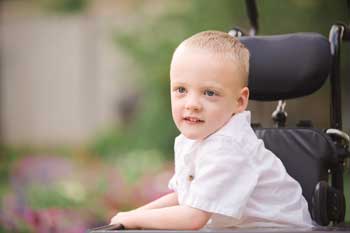
In the US and Europe, most cases of CP (approximately 80%) are due to prenatal factors. Genetic conditions are thought at this point to cause up to 30% of CP cases. Only 5-10% of CP is caused by injury related to the birth process. [Odding: 2006] Fewer than 10% of children acquire CP during the first year of life due to injuries from meningitis, encephalitis, near-drowning, or other asphyxial event. In contrast, 80% of CP in the developing world is caused by postnatal factors, most commonly infection. [van: 2007] Most experts in CP would now recommend that all children with CP undergo evaluation for the etiology, even if there is clear evidence of a preceding event. Additionally, all children with CP need follow-up to watch for slow progression of a disorder that has mimicked CP but is actually an underlying genetic/metabolic disorder. Whatever the underlying cause, management of the child with CP requires coordination of multidisciplinary team efforts to address the multiple medical, social, psychological, and educational needs.
Other Names & Coding
G80.X, Cerebral palsy
The “X” indicates the need for additional one-digit coding that indicates further details of diagnosis. ICD-10 Cerebral Palsy Coding Reference (icd10data.com) provides more information. Additional codes for the cause of cerebral palsy, if known, also are suggested (newborn stroke, etc.).
Prevalence
Genetics
Prognosis
Published predictions of life expectancy for children with motor limitations and/or intellectual disability are generally based on abilities such as mobility, feeding, and toileting. However, these are difficult to apply to an individual child. Children with severe motor problems are at high risk for death due to pneumonia, urinary tract infections, and sepsis. Comprehensive, coordinated care may optimize the life span for individuals with CP. (For a discussion, see Life Expectancy of Cerebral Palsy (cerebralpalsy.org).)
Practice Guidelines
These guidelines for the assessment of the child with CP have been endorsed by
the American Academy of Pediatrics, the American Academy of Neurology, and the
Child Neurology Society.
Ashwal S, Russman BS, Blasco PA, Miller G, Sandler A, Shevell M, Stevenson R.
Practice parameter: diagnostic assessment of the child with cerebral palsy: report of the Quality Standards Subcommittee of
the American Academy of Neurology and the Practice Committee of the Child Neurology Society.
Neurology.
2004;62(6):851-63.
PubMed abstract / Full Text
Delgado MR, Hirtz D, Aisen M, Ashwal S, Fehlings DL, McLaughlin J, Morrison LA, Shrader MW, Tilton A, Vargus-Adams J.
Practice parameter: pharmacologic treatment of spasticity in children and adolescents with cerebral palsy (an evidence-based
review): report of the Quality Standards Subcommittee of the American Academy of Neurology and the Practice Committee of the
Child Neurology Society.
Neurology.
2010;74(4):336-43.
PubMed abstract / Full Text
Roles of the Medical Home
Resources that can help with primary care include:
- Tracking Form for Children With Cerebral Palsy (AAP) for tracking medical conditions, activities, and participation
- Providing a Primary Care Medical Home for Children and Youth With Cerebral Palsy (AAP) for applications of the medical home model when caring for children with CP
Clinical Assessment
Overview
Several reasons why looking for an underlying disorder are given by [Appleton: 2019]. Even in a child with an obvious event, such as prematurity, an underlying genetic or metabolic disorder may have made them more susceptible to the event in question. Although many of these underlying disorders are quite rare, having one of many is not. [Appleton: 2019] In addition, some disorders, such as AADC deficiency, may have a treatment; the disorders that could be helped with treatment will likely increase over the next years. [Appleton: 2019] If a family has information about an underlying disorder for their child’s CP, prognostic information and genetic counseling may be available. Whatever the underlying cause, management of the child with CP requires coordination of multidisciplinary team efforts to address the multiple medical, social, psychological, and educational needs.
Pearls & Alerts for Assessment
Regression in developmental abilities may signal a new problem and unknown etiologyNew onset of seizures in a child with CP may cause a regression
as they may be interfering with concentration or other abilities. About 40%
of children with CP have seizures; clinicians should ask about seizure
activity.
Because new causes for CP are being
recognized, the clinician should consider (or re-consider) the diagnosis of
CP at each visit in any child with CP without an obvious historical cause,
even in older children. If there is any question about the diagnosis, refer
the child to neurology or genetics. [Appleton: 2019]
Some children with CP will present initially with delayed development and no other signs. The developmental quotient (DQ) helps determine if the child’s skill development is out of the broad range of normal. To calculate the DQ, divide the “motor age” (the average age of the child’s current developmental milestones by a standardized test such as the Denver II) by the chronological age (corrected for prematurity). For example, the DQ of a 1-year-old born at term who just started crawling (average age of attainment is 9 months) would be 9/12=75%. In general, a DQ above 70% with a normal neurologic exam and normal quality of movements suggests that development is in the broad range of normal Also, see Developmental Screening.
Screening
For Complications
Presentations
Infant characteristics associated with CP include:
- Prematurity and low-birth weight - a recent study demonstrated that magnesium sulfate given to mothers at risk for having a pre-term delivery reduced the risk of CP in pre-term babies. [Rouse: 2008])
- Genetic or other disorders of brain development, including hydrocephalus
- Infection (e.g., cytomegalovirus, sepsis, encephalitis)
- Low Apgars at 10-20 minutes after delivery
- Periventricular hemorrhage
- Blood type incompatibility
- Factor V Leiden deficiency or other clotting disorder
- Breech presentation
- Jaundice
- Seizures shortly after birth
- Metabolic disease (e.g., glutaric acidemia I)
Diagnostic Criteria
Clinical Classification
Spastic CP involves increased velocity-dependent muscle tone causing stiff and awkward movement. Almost 80% of people with CP have spasticity. Children with spastic CP may be further described by the areas of the body affected:
- Spastic diplegia (approximately 35% of children with CP): Motor impairment is most significant in the lower extremities. Arm, trunk, and facial musculature are affected, but to a lesser extent.
- Spastic hemiplegia (approximately 38%): One side of the body is affected, with the arm usually more involved than the lower extremity.
- Spastic quadriplegia (approximately 6%): Whole body involvement (face, trunk, legs, and arms)
Ataxic CP (approximately 6%) results in balance and depth perception problems and may often overlap with other categories.
Mixed CP is a term used when a child has features of more than 1 type. Examples include the combination of low truncal tone and poor head control but with spasticity in the lower extremities or a mixture of spasticity and dystonia (pure dystonic CP is rare).
Differential Diagnosis
In a child with CP of unknown cause, clinicians should consider several general categories of conditions other than CP, such as:
- Slowly progressive conditions that may present similarly to CP, including familial paraplegia (presents as spastic diplegia) and some of the leukodystrophies. Brain MRI and serial observations over time will help differentiate these conditions.
- Genetic syndromes causing developmental delay, which may become more obvious as the child ages (e.g., developmental delay, poor feeding, and hypotonia in an infant with Prader-Willi syndrome).
- Metabolic disease that may present with CP-like symptoms, but also may include developmental regression, periods of emesis and dehydration, and failure to thrive.
- Neuromuscular conditions that appear early in life similar
to CP. The absence of reflexes, bowel and bladder dysfunction, and muscle
weakness (sometimes difficult to differentiate from low tone) should
distinguish these.
Comorbid & Secondary Conditions
- Intellectual disability (>40%): With a higher percentage in those children with quadriparesis. [Christensen: 2014] See Intellectual Disability & Global Developmental Delay
- Epilepsy (41%): Co-occurring epilepsy frequency was highest among children with CP who had limited or no waking ability. [Christensen: 2014] See Seizures/Epilepsy.
- Hydrocephalus: Some children will have hydrocephalus, either as the cause of their CP or as an associated condition, e.g., from an intraventricular hemorrhage in a child born prematurely. New or increasing hydrocephalus may cause developmental regression or, if acute, symptoms such as headache and lethargy.
- Vision impairment (>15%): Includes strabismus, myopia, cortical blindness and in children with hemiplegia, a homonymous visual field defect. [Christensen: 2014]
- Hearing problems : See Hearing Loss and Deafness.
- Drooling/swallowing problems: See Drooling in Children with Special Health Care Needs.
- Incontinence, constipation : Approximately 25 of children with CP have primary urinary incontinence [Odding: 2006] and constipation is very common. See Constipation.
- Learning problems: Even in children with normal intelligence, such as those with hemiplegic CP, subtle learning concerns may become evident during grade school. Attention deficit disorder (with or without hyperactivity) is prevalent and should be specifically inquired about once the child has reached the appropriate age. Autism is also common and should be screened for. See Attention-Deficit/Hyperactivity Disorder (ADHD) and Specific Learning Disability.
- Speech/language deficit
History & Examination
Current & Past Medical History
Mobility/ADLs: Does the child have abnormal patterns of motor movements? For example, does the child army crawl (lower extremity spasticity), scissor the lower extremities, appear to have early hand dominance (possible hemiplegia), use a Gower maneuver to stand (proximal weakness), have chorea or ataxia, or persistently walk on his/her toes (habitual pattern vs. spasticity)?
Has there been any decrease in their mobility or abilities over time? How is fine motor control compared to other children their age (e.g., self-feed and dress, grasp objects, write efficiently)? Have they made progress in activities of daily living? Any changes in the therapies the child is receiving? Any changes in spasticity treatments, equipment, orthopedic surgeries, contractures, stander? Any change in exercise tolerance?
Growth and nutrition: Are there any episodes of emesis? Has nutritional status, growth, or feeding been a concern? Is the child fed orally or by feeding tube? Is the child receiving any therapy to improve oral feeding skills? Does the child get appropriate fluids? What is the child’s usual calcium intake? Feeding & Nutrition discusses evaluation challenges and gives assessment tips. Feeding Tubes & Gastrostomies in Children lists indications for use of feeding tube and family support tips.
GI: Does the child have constipation and are they toilet trained? Does the child have problems that suggest gastroesophageal reflux disease (GERD)? Constipation discusses constipation management, clean out procedures, and maintenance medications. Toilet Training Children with Complex Medical Conditions provides information and resources for clinicians and families toilet training children with disabilities.
Swallowing and drooling: Does the child cough and/or choke during eating and drinking? Does it take a very long time to feed the child? Is swallowing or drooling a problem? See Drooling in Children with Special Health Care Needs.
Pulmonary: Is there chronic cough or wheezing? Has the child had pneumonia? Does the child have difficulty sleeping? Does the child snore or have frequent awakenings? Are there respiratory concerns?
Neurology: A history of developmental regression should prompt a referral to neurology as it raises the question of a different diagnosis. Has the child had seizures? (See Seizures/Epilepsy.) Does the child have any unusual movements or episodes of unexplained pain or agitation? Does the child have a history of hydrocephalus and/or a VP shunt? Any signs of shunt malfunction (e.g., headache, mood, or activity change, emesis)?
Vision/hearing: Has the child been screened for vision and hearing concerns? Do they wear glasses or hearing aids?
Musculoskeletal/bone: Has the child had fractures? Are there any limitations of joint or muscle movement? Fractures without clinical explanation prompt concerns for osteopenia/osteoporosis, especially in the child on antiepileptic medications, or abuse. Do they have a standing program? Is the child followed by an orthopedic clinician or PM&R to monitor for hip dysplasia, scoliosis, contractures, or joint changes? Musculoskeletal Exam for Common Orthopedic Complications (
 579 KB) provides an exam checklist and recommendations, based on findings, for
referrals.
579 KB) provides an exam checklist and recommendations, based on findings, for
referrals.
Urinary: In the child who has attained continence, are there concerns for frequency, urgency, or dribbling of urine? Is there a history of UTI?
Other: Is chronic pain a concern? Does the family use any complementary alternative medicine (CAMS)?
Family History
Pregnancy/Perinatal History
Traditionally, CP has been considered congenital, although it may not be evident for weeks or months after birth. [Marcì: 2009] In this scenario, CP may result from an insult to the developing brain that occurred before, during, or after birth. In the US and Europe, most cases of CP (approximately 80%) are due to prenatal factors. Maternal risk factors for having a child with CP include:
- Multiple fetuses
- Malnutrition
- Placental problems
- Infection (e.g., bacterial kidney infection, chorioamnionitis) [Bax: 2006]
- Toxin ingestion (e.g., methamphetamine)
- Complicated labor
- Hypothyroidism
- Maternal seizures
Developmental & Educational Progress
Maturationalprogress
Social & Family Functioning
Physical Exam
General
Growth Parameters
Height | weight | head circumference: Growth parameter measurements are critical but may be difficult to obtain accurately. Parameters of children born prematurely may need to be plotted on pre-term growth charts; if standard growth charts are used, correct for prematurity until 18-24 months of age. Children who have low weight, height and head circumference for age may have an underlying genetic syndrome. HC is particularly important to track; an HC crossing percentile lines in the upward direction may signal hydrocephalus, whereas an HC crossing percentile lines in the downward direction may reflect microcephaly. See Feeding & Nutrition for a discussion of evaluation challenges and tips.
Skin
HEENT/Oral
Oral exam: The presence of dental caries may signal reflux and may cause food refusal or discomfort. Look for a high arched palate and drooling and/or pooling of saliva at the back of the throat. Look for visual attentiveness, unequal light reflexes, strabismus, and nystagmus. Middle ear fluid should be treated aggressively as it might contribute to hearing loss. In the older child, severe cerumen impaction could be impacting hearing.
Chest
The lung exam should be followed closely in children at risk for aspiration pneumonia and pulmonary hypertension.
Neurologic Exam
Evaluate tone, strength, balance, primitive reflexes, coordination, and reflexes. Classify findings by the type of tonal abnormality and the area(s) affected. Dystonia and spasticity can be difficult to differentiate but it is important to do so. Low tone in infants can be very difficult to differentiate from decreased strength. Check supine posture - infants with low tone will lie in the frog-leg position. Check if the infant will slip through the examiner’s hands under the infant’s arms and whether there is head lag when pulling the infant up from supine. Infants with these problems have low tone but might still be able to kick with good strength if they are angry. Also, check if the infant will bear weight when held in a standing position and, conversely, if the baby wants to keep their legs extended much of the time.
Testing
Sensory Testing
Hearing screening should be performed with referral for audiologic evaluation if problems are suspected. Hearing deficits are common in children with CP.
Laboratory Testing
Metabolic - Testing should be considered in a child with developmental regression, periods of emesis/dehydration, or failure to thrive. In a child with dyskinetic or ataxic CP, consider the possibility of a metabolic disorder.
Hematologic - The role of an evaluation for clotting dysfunction in children whose CP is secondary to an intra-uterine stroke is not clearly defined. It likely varies from clinician to clinician and will continue to evolve as more is understood from research. The role of such evaluation should be discussed with the child’s pediatric neurologist.
Nutritional - Serum markers for nutritional status are of limited value. However, in the child with malnutrition, assessment of targeted vitamin and mineral stores should be considered. In particular, a significant percentage of children with CP demonstrate a deficiency in vitamin D. (See Calcium and Vitamin D.) Some children with CP will have low serum ferritin, evidence of poor iron stores.
Imaging
Although frequently requiring sedation, the brain MRI is often the best choice for imaging when looking for an etiology. Imaging after about 18 months of age may provide the best yield. Head CT should be considered for several specific issues: if you are looking for calcifications (e.g., if considering congenital CMV), if the child cannot be sedated, or when evaluating emergently for hydrocephalus or subdural hemorrhages.
Imaging does not need to be repeated after the initial diagnosis unless a new clinical question arises (e.g., a regression in abilities).
Skeletal imaging - May be helpful to evaluate orthopedic concerns, most often scoliosis or hip dislocation.
Upper gastrointestinal study (UGI) - Used for assessment of gastroesophageal reflux (although sensitivity and specificity are moderate), delayed gastric emptying, and to rule out a structural cause of GI symptoms.
Genetic Testing
Other Testing
DEXA scan - DEXA allows for assessment of bone density. In practice, children with significant motor impairment will invariably be found to have low bone density on DEXA. The degree of low bone density does not predict the degree of fracture risk, and thus the measure has little impact on clinical management. The clinician should focus on optimizing bone health (adequate calcium intake, optimal vitamin D levels, and weight-bearing) in all children with CP. Dexa should be obtained in the rare situation it will impact therapy (e.g., when declining overtime on a medication that could be discontinued (e.g., Depo-Provera, Depakote) or when a child is being treated with bisphosphonates after recurrent fractures). DEXA scan can also be used to assess body composition and can be very helpful to sort out the degree of fat storage in children with CP since other nutritional assessment approaches are not valid (e.g., BMI or weight for height) due to low muscle mass.
DEXA scans are of limited value before age 3 due to a lack of normative data. Implanted hardware (e.g., spinal rods and baclofen pumps) interfere with DEXA reliability.
Sleep study should be considered if the child has difficulty sleeping, disrupted sleep, or signs of obstructive sleep apnea (e.g., snoring, daytime sleepiness, etc.).
Electroencephalogram (EEG) is warranted if there is clinical concern for seizures. Seizures are more common in children with hemiplegic and quadriplegic CP. Children with CP may have many types of seizures, including generalized tonic-clonic, partial complex, and atypical absence. It can be difficult to determine if some events in children with CP are seizures or behaviors. If the event occurs frequently, a prolonged EEG with video may help sort this out. See Seizures/Epilepsy.
Specialty Collaborations & Other Services
Pediatric Neurology (see NW providers [0])
Medical Genetics (see NW providers [1])
Developmental - Behavioral Pediatrics (see NW providers [1])
Pediatric Physical Medicine & Rehabilitation (see NW providers [3])
Pediatric Orthopedics (see NW providers [4])
Pediatric Gastroenterology (see NW providers [0])
Neuropsychiatry/Neuropsychology (see NW providers [0])
Pediatric Ophthalmology (see NW providers [1])
Pediatric Otolaryngology (ENT) (see NW providers [1])
Pediatric Pulmonology (see NW providers [0])
Pediatric Dentistry (see NW providers [2])
Pediatric General Surgery (see NW providers [0])
Pediatric Neurosurgery (see NW providers [1])
Treatment & Management
Overview
- Child's age
- Overall health
- Medical history
- Extent and severity of the disease
- Type of CP
- Child's tolerance for specific medications, procedures, or therapies
- Expectations for the course of the disease
- Opinion or preference of the child and the parents
- Funding considerations
Pearls & Alerts for Treatment & Management
Complementary alternative medicineMany therapies are reputed to be treatments for CP – Not all are successful, and some may even be harmful. Ask families about vitamin and herbal treatments, specialized diets, relaxation techniques, or other therapies. [Samdup: 2006]
Medical home can advocate for additional therapyThe educational system may provide physical and occupational therapy focused upon educational goals. Private therapy may be a necessary addition for some children to allow intensive focus on specific medical goals. The medical home should review therapies and frequency with every visit and advocate for families if more therapy would be helpful.
Children with CP may qualify for Deaf/Blind ServicesChildren with both visual and hearing impairment, including cortical blindness or visual impairment, may qualify for a deaf/blind program, which can usually be accessed through the local school for the deaf and blind. Children with dual sensory impairment have a disability that is different and more complicated than the sum of vision and hearing impairments and may qualify for special services.
Pneumonia or recurrent pneumonias are a frequent, often unrecognized, sign of aspirationChildren with CP and other chronic disorders are at risk for acute and chronic respiratory illness due to neurological and anatomical dysfunction.
Interventions for Children with CPA systematic review of various interventions for children with CP can be found at [Novak: 2020]. The authors point out that although not reviewed, a combination of interventions may be preferable to a single intervention; for instance, oral baclofen and stretching braces may be more successful than either alone.
Systems
Development (general)
Although the benefit is difficult to prove for all children with CP, children who were born prematurely and are at risk for CP perform better cognitively if they have received early intervention services. Children younger than 3 years with suspected or definite CP should be referred to an early intervention program. Children at particular risk (e.g., those with extreme prematurity or birth asphyxia) should be referred early, perhaps even before any clear signs of delay. For children with obvious signs of CP, the therapy received through early intervention may not be frequent enough and referrals to rehabilitation programs may be necessary.
Children over 3 years old should be referred to their local school district to determine benefit from developmental preschool and special education. In addition to individualized educational programming, children may receive speech, occupational, physical, vision, hearing services, and adaptive equipment if relevant to educational goals.
Specialty Collaborations & Other Services
Early Intervention for Children with Disabilities/Delays (see NW providers [3])
Pediatric Physical Medicine & Rehabilitation (see NW providers [3])
Mobility/Function/ADLs/Adaptive
Non-surgical interventions may include:
- Therapies - physical, occupational, and speech
- Positioning aids (used to help the child sit, lie, or stand) - If the child is not sitting, a corner chair, tumble form, or wheelchair is used to allow the child to be in a seated position for feeding and for optimal hand use during play and activities of daily living.
- Braces and splints - used to prevent deformity and to provide support or protection. May be used during the day or night to provide stretch and optimal positioning across joints.
- Standers/walkers - Use additional equipment to allow standing (weight-bearing may help prevent osteoporosis, allow full lung expansion, stretches hamstrings, and allow children to be on-level with peers) and supported walking (for children requiring help with balance and support for walking).
- Medications:
- Oral: Although oral antispasmodic agents may cause excessive sleepiness, they are often tried because they are non-invasive. Examples are diazepam (Valium), baclofen (Lioresal), clorazepate (Tranzene), and clonazepam (Klonopin). Valium given before sleep is helpful in some patients and may not cause daytime drowsiness. [Mathew: 2005] There is not as much experience in pediatrics with modafinil (Provigil) [Murphy: 2008] and tizanidine (Zanaflex), but these medications may improve function of children with spasticity. Doses should be titrated to avoid weakness and extensive hypotonia. [Delgado: 2010]
- Injections: Botulinum toxin A (Botox) and B (Myobloc) and phenol injections are used to treat and prevent contractures that lead to tight ankles (difficulty walking) and hygiene problems (hip adduction contractures). These injections are usually combined with physical therapy, splinting, or casting to optimize impact. [Desloovere: 2007] See [Fehlings: 2010] and [Love: 2010] for international consensus articles regarding the use of botulinum injections in upper and lower extremities, respectively. Despite the frequent use of botulinum toxin in children with CP, more studies are called for by some experts to prove efficacy in walking function. [Ryll: 2011] Despite good treatment and compliance, many children with spasticity will still develop contractures, but their development may be delayed or less severe.
- Orthopedic surgery to manage scoliosis, hip dislocations, muscle contractures, and ankle, foot and hand deformities. See [Imrie: 2010] and [Loeters: 2010] for management of scoliosis in CP.
- Baclofen pump - In some patients with severe spasticity, a small programmable pump is placed in the abdomen with a catheter going to the intrathecal space to deliver baclofen. Complications include infection, catheter breakage, and a possible increase in scoliosis. Many patients and families have been very happy with this therapy. Pumps may be implanted in children as young as three years of age. The role of a baclofen pump in treating dystonia is not well understood, but it may be of benefit. In the patient, a trial is performed by intrathecal injection of baclofen. The individual child’s response is then assessed over the subsequent 8-hour period.
- Dorsal rhizotomy - Selective dorsal rhizotomy is a neurosurgical procedure performed to treat diplegia and quadriplegic CP in selected patients. Its popularity has waxed and waned over the years. It can be very helpful in selected patients when combined with post-operative rehabilitation. If the child/family and medical home are interested in dorsal rhizotomy, referral to a rehabilitation specialist and neurosurgeon is recommended to allow evaluation, discussion regarding possible risks and benefits, and consideration of alternate therapies.
Specialty Collaborations & Other Services
Pediatric Physical Medicine & Rehabilitation (see NW providers [3])
Pediatric Orthopedics (see NW providers [4])
Pediatric Neurosurgery (see NW providers [1])
Nutrition/Growth/Bone
Decreased linear growth and failure for females to experience menarche are also a concern for this population. See the treatment section on maturation for more information.
Dietary Calcium and Vitamin D metabolism insufficiency, particularly in children on medications for seizures with resulting Osteoporosis and Pathologic Fractures, is of great concern in nonmobile children. Children with CP should be monitored carefully for low weight or decreasing weight gain and referred preventively to nutrition.
Specialty Collaborations & Other Services
Dieticians and Nutritionists (see NW providers [1])
Pediatric Gastroenterology (see NW providers [0])
Pediatric Endocrinology (see NW providers [1])
Respiratory
Factors contributing to pulmonary disease in children with chronic illness include recurrent pneumonia, oral motor dysfunction with chronic aspiration, chronic aspiration, gastroesophageal reflux, sleep apnea, aspiration during seizures, atelectasis/bronchiectasis, tracheomalacia, restrictive lung disease, airway hyposensitivity, ineffective cough, inadequate seating posture, and scoliosis.
Optimal management of the child with CP includes:
- Minimizing pulmonary risk
- Optimizing nutrition
- Immunizing appropriately - influenza and pneumococcal vaccines
- Ensuring good posture support in seating
- Monitoring for scoliosis
- Educating the family to avoid active/passive tobacco smoke
- Dysphagia/aspiration
- Gastroesophageal reflux
- Sleep apnea/obstruction
- Comorbid pulmonary conditions (e.g., asthma, allergies, BPD)
Specialty Collaborations & Other Services
Pediatric Pulmonology (see NW providers [0])
Gastro-Intestinal & Bowel Function
Gastroesophageal reflux s common, although it might present as arching, irritability, or food refusal rather than vomiting. Treatment can be started empirically with evaluation and/or a referral to gastroenterology if symptoms continue. Treatment is generally initiated with a proton pump inhibitor. Treatment of reflux can be augmented by using a motility agent (low-dose erythromycin), but the clinician must monitor closely for side effects. It is unclear if H2 blocker add-on therapy for a patient already on a proton pump inhibitor provides additional benefit. A clinical trial of add-on therapy may be helpful in some patients. Alternately, consideration of checking gastric pH and optimizing PPI dosing to ensure adequate suppression might be considered. A common reason for treatment failure is inappropriate administration of a PPI (which should be on an empty stomach with feeding held for 30 minutes). Regardless, when a patient’s symptoms are not adequately controlled on a PPI and motility agent, Gastrointestinal consultation is likely warranted to aid in these treatment decisions. For full management details, see Gastroesophageal Reflux Disease.
If medical therapy is not successful or, despite optimal treatment of reflux, the child remains underweight, surgical procedures may be necessary. Nissen or other types of fundoplication may be recommended and may be performed laparoscopically, shortening hospital and overall recovery time. Many factors should be considered when deciding on Nissen fundoplication and/or gastrostomy tube placement. Gastrostomy tubes may be indicated for: poor oral intake of calories and/or fluids, swallowing difficulties, and severe reflux. If reflux is severe and aspiration is likely, many providers would recommend Nissen fundoplication with gastrostomy placement. Treat for other GI issues, such as constipation, before making these decisions.
For children who do not feed orally or who are poor surgical candidates for a Nissen, another option is moving the distal end of the feeding tube to the small intestine (i.e., GJ tube or J tube). See Feeding Tubes & Gastrostomies in Children for more details.
Constipation is a problem in many, if not most, children with CP due to diet, lack of mobility, and spasticity. Constipation is easier to treat if caught early, and bowel history should be part of every medical home visit. Dietary management with additions of juices and fiber might be all that is necessary, but many children will need daily treatment with laxatives (polyethylene glycol 3350 (Miralax and Glycolax) and senna (Senokot). See Constipation for clean-out and management details.
Specialty Collaborations & Other Services
Pediatric Gastroenterology (see NW providers [0])
Pediatric General Surgery (see NW providers [0])
Nose/Throat/Mouth/Swallowing
Children with significant swallowing problems may need gastrostomy tube placement to allow efficient and safe liquid and/or food delivery. A gastrostomy tube may also be necessary in those children with CP and severe failure to thrive, even if aspiration is not an obvious problem. In some children, placement of a feeding tube might be thought of as a temporary intervention so that the family may focus on the child and the quality of his/her eating without constantly worrying about the number of calories the child has received. Treatment with a Nissen fundoplication may be important for the child with GERD who has limited capacity to protect their airway. Also, see Feeding Tubes & Gastrostomies in Children and Missing issue with id: 435a721.xml for more information.
Drooling. Many parents will choose not to treat drooling due to concerns about the side effects of medication and surgery, but drooling in the socially aware older child with CP can be very embarrassing to the child and create a social barrier. See Drooling in Children with Special Health Care Needs and [Potulska: 2005] for resources and information about specific treatments. Also, see [Love: 2010] for international consensus recommendations regarding the use of botulinum toxin for drooling.
Specialty Collaborations & Other Services
Developmental - Behavioral Pediatrics (see NW providers [1])
Pediatric Otolaryngology (ENT) (see NW providers [1])
Pediatric Gastroenterology (see NW providers [0])
Pediatric General Surgery (see NW providers [0])
Neurology
Osteoporosis. Children with CP on some specific seizure medications may be at particular risk of osteoporosis. Optimizing bone health is critical, including ensuring optimal vitamin D levels, adequate calcium intake, and, if possible, a weight-bearing program. Osteoporosis and Pathologic Fractures provides further management information.
Hydrocephalus. If the head circumference is crossing percentile lines or there is a history of hydrocephalus and/or VP shunts, referral to neurosurgery should be considered. The primary care provider should help the family understand when the child with a shunt should be seen emergently, such as with new headaches and vomiting, or in the event of a persistent behavioral or mood change from baseline in the absence of a febrile illness.
Specialty Collaborations & Other Services
Pediatric Neurology (see NW providers [0])
Pediatric Neurosurgery (see NW providers [1])
Sleep
Specialty Collaborations & Other Services
Sleep Study/Polysomnography (see NW providers [0])
Pediatric Otolaryngology (ENT) (see NW providers [1])
Maturation/Sexual/Reproductive
Disability and chronic health conditions may result in primary and secondary sexual dysfunction. Fears can include concerns about sexual exploitation in this population and body image concerns on the part of the adolescents. When surveyed, more than 90% of young adults with CP indicated a desire for more information about sexual function. Sexuality needs to be discussed with adolescents and their parents to overcome often-present assumptions such as:
- Teens with disabilities do not need this information.
- Sex education that is specific to people with disabilities does not exist or is limited.
- Motor impairments may make sexual function difficult, e.g., condom use.
- Presence of intellectual impairment might complicate the imparting and understanding of sex education material.
Specialty Collaborations & Other Services
Gynecology: Pediatric/Adolescent; Special Needs (see NW providers [0])
Genito-Urinary
Routine evaluation of the urinary tract is not indicated in children with CP. However, some children with CP may have a neurogenic bladder resulting in difficulty attaining continence or urinary tract infections. Studies have suggested that these children have excellent responses to treatment, with the majority achieving continence. Urology evaluation should be considered in the following situations:
- Patients who have had a UTI
- Persistent daytime incontinence despite a good training approach (toilet training). With the appropriate approach, even children with moderately severe cognitive and motor impairments can achieve continence.
- Changes in bladder function, particularly if after intervention for spasticity with a dorsal rhizotomy
- In children with any of the following symptoms:
-
- Dribbling
- High voiding frequency or urgency
- Difficulty initiating a void
- Stress incontinence
- Persistent nighttime wetting after a period of daytime continence. Note: an empiric trial of ditropan might be considered in those with symptoms of bladder spasticity.
- Urodynamics (cystometrogram/CMG)
- Renal ultrasound
- VCUG (if there has been a UTI)
- Urinalysis
Specialty Collaborations & Other Services
Developmental - Behavioral Pediatrics (see NW providers [1])
Eyes/Vision
- Strabismus - More than half of children with CP exhibit strabismus, a condition where the muscles that control eye movement are out of balance, causing the eyes to be misaligned. The misalignment of the eyes causes double vision, which the brain stops by turning off vision in one eye. In children, this change can be permanent if the double vision is not corrected in the early years.
- Acuity loss - Acuity loss may be present by itself or with cortical visual impairment.
- Field defects - Field defects, especially homonymous hemianopsia and variants, are seen in hemiplegic CP.
- Processing disorders (e.g., visual perceptual disorders, cortical vision impairment)
Children with CP should have at least 1 visit with a pediatric ophthalmologist for an evaluation, even if no problems are reported by parents or observed in the medical home visit because visual problems in the first few years of life may lead to permanent but avoidable vision loss. At the first referral, follow-up should be specified by the consulting pediatric ophthalmologist.
Children with dual sensory impairment have a disability that is different and more complicated than the sum of vision and hearing impairments and may qualify for other special services. In children younger than 3 years with hearing and/or vision deficits, a referral should also be made to the School for the Deaf and Blind, which coordinates home-based parent education and infant stimulation.
Specialty Collaborations & Other Services
Pediatric Ophthalmology (see NW providers [1])
Vision Screening (see NW providers [4])
Special Education/Schools (see NW providers [3])
Ears/Hearing
Specialty Collaborations & Other Services
Pediatric Otolaryngology (ENT) (see NW providers [1])
Audiology (see NW providers [3])
Special Education/Schools (see NW providers [3])
Learning/Education/Schools
Specialty Collaborations & Other Services
Head Start/Early Head Start (see NW providers [0])
Educational Testing/Assessment (see NW providers [0])
Recreation & Leisure
Many children with disabilities want to participate in leisure and sports activities. The need for adapted physical education and/or supports or social structuring on the playground should be included in the child’s IEP. A physical therapy consultation can be helpful either in the school situation or for home adaptations (e.g., the child who wants a bike for a present but the parents don’t know what to purchase, or the child is interested in obtaining a sporting wheelchair).
Community-based athletic programs are an option for many children if the family, child, and program are given adequate support. Not only can athletic activities enhance psychological health, but as the child grows, they can help counter a drop off in gross motor function in part due to de-conditioning. Success depends upon appropriate activities, adapted equipment, adapted rules for the special needs child when appropriate, and support from peers, other parents, and coaches.
Transitions
If necessary, plan for guardianship. This can be a lengthy process that includes psychological and medical evaluations of the child and involvement of a lawyer with expertise in this area. Guardianship should be applied for before the child reaches 18 years of age. In some states, children become eligible for Medicaid based on their own financial resources and ability to work at age 18. They may qualify for resources with the Division of Services for People with Disabilities (DSPD) for which they had been ineligible (based on family income) before their 18th birthday. Resources that provide helpful information and tools for planning transitions include:
- Guardianship/Estate Planning: The basics of obtaining guardianship and estate planning.
- Estate Planning Trusts and Accounts: Information and resources for planning for the financial security of a child with special needs.
- Navigating Transitions with Your Child: Information about many aspects of transition including guardianship, living arrangements, and more.
Complementary & Alternative Medicine
Ask the Specialist
My patient with CP has had a regression in developmental abilities, what would be important to consider?
A regression in developmental abilities may signal a new problem and unknown etiology. New onset of seizures in a child with CP may cause a regression as they may be interfering with concentration or other abilities. About 40% of children with CP have seizures; clinicians should ask about seizure activity. Because new causes for CP are being recognized, the clinician should consider (or re-consider) the diagnosis of CP at each visit in any child with CP without an obvious historical cause, even in older children. If there is any question about the diagnosis, refer the child to neurology or genetics.
Resources for Clinicians
On the Web
Information on Spasticity, Choreoathetosis, and Other Movement Disorders
Information about movement disorders including ataxia, bradykinesia, chorea and choreoathetosis, clonus, dystonia, myoclonus,
restless legs syndrome, rigidity, spasticity, tics and tremor; International Parkinson and Movement Disorder Society.
Helpful Articles
Novak I, McIntyre S, Morgan C, Campbell L, Dark L, Morton N, Stumbles E, Wilson SA, Goldsmith S.
A systematic review of interventions for children with cerebral palsy: state of the evidence.
Dev Med Child Neurol.
2013;55(10):885-910.
PubMed abstract / Full Text
Describes systematically the best available intervention evidence for children with cerebral palsy.
Deon LL, Gaebler-Spira D.
Assessment and treatment of movement disorders in children with cerebral palsy.
Orthop Clin North Am.
2010;41(4):507-17.
PubMed abstract
Helpful information on distinguishing spasticity, rigidity, and dystonia in children with cerebral palsy.
Sadowska M, Sarecka-Hujar B, Kopyta I.
Cerebral Palsy: Current Opinions on Definition, Epidemiology, Risk Factors, Classification and Treatment Options.
Neuropsychiatr Dis Treat.
2020;16:1505-1518.
PubMed abstract / Full Text
Chin EM, Gwynn HE, Robinson S, Hoon AH Jr.
Principles of Medical and Surgical Treatment of Cerebral Palsy.
Neurol Clin.
2020;38(2):397-416.
PubMed abstract / Full Text
Clinical Tools
Assessment Tools/Scales
Musculoskeletal Exam for Common Orthopedic Complications ( 579 KB)
A concise, easy-to-use tool to document the limitations of a child's musculoskeletal abilities and exam; Medical Home Portal.
Questionnaires/Diaries/Data Tools
Tracking Form for Children With Cerebral Palsy (AAP)
Includes Area, Status, and Provider columns for tracking medical conditions, activities, and participation (Table 3); from
Providing a Primary Care Medical Home for Children and Youth With Cerebral Palsy by the American Academy of Pediatrics.
Resources for Patients & Families
Information on the Web
CP Information (MedlinePlus)
Information for families that includes description, frequency, causes, inheritance, other names, and additional resources;
from the National Library of Medicine.
Cerebral Palsy Information Page (NINDS)
Information about cerebral palsy that includes latest research; National Institute of Neurological Disorders and Stroke.
Cerebral Palsy Guidance
A website offering guidance and assistance to parents of a child with cerebral palsy. Topics include Cerebral Palsy, Financial
Assistance, Living with Cerebral Palsy.
National & Local Support
United Cerebral Palsy
National non-profit organization that provides information on a variety of topics including advocacy, conferences, insurance,
sexuality, policy, and other items for the public and providers.
Studies/Registries
CP Clinical Trials (ClinicalTrials.gov)
Studies looking at better understanding, diagnosing, and treating this condition; from the National Library of Medicine.
Services for Patients & Families Nationwide (NW)
| Service Categories | # of providers* in: | NW | Partner states (4) (show) | | NM | NV | RI | UT | |
|---|---|---|---|---|---|---|---|---|---|
| Audiology | 3 | 22 | 8 | 24 | 22 | ||||
| Developmental - Behavioral Pediatrics | 1 | 2 | 3 | 12 | 9 | ||||
| Dieticians and Nutritionists | 1 | 1 | 4 | 3 | 6 | ||||
| Early Intervention for Children with Disabilities/Delays | 3 | 34 | 30 | 13 | 51 | ||||
| Educational Testing/Assessment | 3 | 1 | 2 | 5 | |||||
| Gynecology: Pediatric/Adolescent; Special Needs | 3 | 9 | |||||||
| Head Start/Early Head Start | 10 | 66 | 18 | 26 | |||||
| Medical Genetics | 1 | 2 | 5 | 4 | 7 | ||||
| Neuropsychiatry/Neuropsychology | 1 | 3 | 9 | 6 | |||||
| Pediatric Dentistry | 2 | 6 | 24 | 54 | 50 | ||||
| Pediatric Endocrinology | 1 | 4 | 6 | 12 | 7 | ||||
| Pediatric Gastroenterology | 2 | 5 | 18 | 2 | |||||
| Pediatric General Surgery | 4 | 5 | 4 | 2 | |||||
| Pediatric Neurology | 5 | 5 | 18 | 8 | |||||
| Pediatric Neurosurgery | 1 | 2 | 4 | 3 | 2 | ||||
| Pediatric Ophthalmology | 1 | 6 | 6 | 8 | 4 | ||||
| Pediatric Orthopedics | 4 | 7 | 8 | 16 | 10 | ||||
| Pediatric Otolaryngology (ENT) | 1 | 11 | 5 | 7 | 10 | ||||
| Pediatric Physical Medicine & Rehabilitation | 3 | 3 | 3 | 6 | 11 | ||||
| Pediatric Pulmonology | 4 | 4 | 6 | 3 | |||||
| Pediatric Urology | 13 | 1 | 3 | ||||||
| Sleep Disorders | 2 | 1 | |||||||
| Sleep Study/Polysomnography | 2 | 1 | 4 | ||||||
| Special Education/Schools | 3 | 82 | 9 | 35 | 43 | ||||
| Vision Screening | 4 | 10 | 13 | 7 | 19 | ||||
For services not listed above, browse our Services categories or search our database.
* number of provider listings may vary by how states categorize services, whether providers are listed by organization or individual, how services are organized in the state, and other factors; Nationwide (NW) providers are generally limited to web-based services, provider locator services, and organizations that serve children from across the nation.
Bibliography
Appleton RE, Gupta R.
Cerebral palsy: not always what it seems.
Arch Dis Child.
2019;104(8):809-814.
PubMed abstract
Ashwal S, Russman BS, Blasco PA, Miller G, Sandler A, Shevell M, Stevenson R.
Practice parameter: diagnostic assessment of the child with cerebral palsy: report of the Quality Standards Subcommittee of
the American Academy of Neurology and the Practice Committee of the Child Neurology Society.
Neurology.
2004;62(6):851-63.
PubMed abstract / Full Text
Evidence-based summary of indicated diagnostic evaluation for children with cerebral palsy.
Bax M, Tydeman C, Flodmark O.
Clinical and MRI correlates of cerebral palsy: the European Cerebral Palsy Study.
JAMA.
2006;296(13):1602-8.
PubMed abstract
Black PD.
Ocular defects in children with cerebral palsy.
Br Med J.
1980;281(6238):487-8.
PubMed abstract / Full Text
Centers for Disease Control and Prevention.
Data and Statistics for Cerebral Palsy.
(2020)
https://www.cdc.gov/ncbddd/cp/data.html. Accessed on August 2021.
Chin EM, Gwynn HE, Robinson S, Hoon AH Jr.
Principles of Medical and Surgical Treatment of Cerebral Palsy.
Neurol Clin.
2020;38(2):397-416.
PubMed abstract / Full Text
Christensen D, Van Naarden Braun K, Doernberg NS, Maenner MJ, Arneson CL, Durkin MS, Benedict RE, Kirby RS, Wingate MS, Fitzgerald
R, Yeargin-Allsopp M.
Prevalence of cerebral palsy, co-occurring autism spectrum disorders, and motor functioning - Autism and Developmental Disabilities
Monitoring Network, USA, 2008.
Dev Med Child Neurol.
2014;56(1):59-65.
PubMed abstract
Delgado MR, Hirtz D, Aisen M, Ashwal S, Fehlings DL, McLaughlin J, Morrison LA, Shrader MW, Tilton A, Vargus-Adams J.
Practice parameter: pharmacologic treatment of spasticity in children and adolescents with cerebral palsy (an evidence-based
review): report of the Quality Standards Subcommittee of the American Academy of Neurology and the Practice Committee of the
Child Neurology Society.
Neurology.
2010;74(4):336-43.
PubMed abstract / Full Text
Deon LL, Gaebler-Spira D.
Assessment and treatment of movement disorders in children with cerebral palsy.
Orthop Clin North Am.
2010;41(4):507-17.
PubMed abstract
Helpful information on distinguishing spasticity, rigidity, and dystonia in children with cerebral palsy.
Desloovere K, Molenaers G, De Cat J, Pauwels P, Van Campenhout A, Ortibus E, Fabry G, De Cock P.
Motor function following multilevel botulinum toxin type A treatment in children with cerebral palsy.
Dev Med Child Neurol.
2007;49(1):56-61.
PubMed abstract
Distelmaier F, Richter-Werkle R, Schaper J, Messing-Juenger M, Mayatepek E, Rosenbaum T.
"How much brain is really necessary?" A case of complex cerebral malformation and its clinical course.
J Child Neurol.
2007;22(6):756-60.
PubMed abstract
Fehlings D, Novak I, Berweck S, Hoare B, Stott NS, Russo RN.
Botulinum toxin assessment, intervention and follow-up for paediatric upper limb hypertonicity: international consensus statement.
Eur J Neurol.
2010;17 Suppl 2:38-56.
PubMed abstract
Fung EB, Samson-Fang L, Stallings VA, Conaway M, Liptak G, Henderson RC, Worley G, O'Donnell M, Calvert R, Rosenbaum P, Chumlea
W, Stevenson RD.
Feeding dysfunction is associated with poor growth and health status in children with cerebral palsy.
J Am Diet Assoc.
2002;102(3):361-73.
PubMed abstract
Himmelmann K, Hagberg G, Beckung E, Hagberg B, Uvebrant P.
The changing panorama of cerebral palsy in Sweden. IX. Prevalence and origin in the birth-year period 1995-1998.
Acta Paediatr.
2005;94(3):287-94.
PubMed abstract
Hoon AH Jr, Reinhardt EM, Kelley RI, Breiter SN, Morton DH, Naidu SB, Johnston MV.
Brain magnetic resonance imaging in suspected extrapyramidal cerebral palsy: observations in distinguishing genetic-metabolic
from acquired causes.
J Pediatr.
1997;131(2):240-5.
PubMed abstract
Case series of children with motor disorders in which the MRI provided diagnostic clues.
Imrie MN, Yaszay B.
Management of spinal deformity in cerebral palsy.
Orthop Clin North Am.
2010;41(4):531-47.
PubMed abstract
Kaunitz AM, Arias R, McClung M.
Bone density recovery after depot medroxyprogesterone acetate injectable contraception use.
Contraception.
2008;77(2):67-76.
PubMed abstract
Loeters MJ, Maathuis CG, Hadders-Algra M.
Risk factors for emergence and progression of scoliosis in children with severe cerebral palsy: a systematic review.
Dev Med Child Neurol.
2010;52(7):605-11.
PubMed abstract
Love SC, Novak I, Kentish M, Desloovere K, Heinen F, Molenaers G, O'Flaherty S, Graham HK.
Botulinum toxin assessment, intervention and after-care for lower limb spasticity in children with cerebral palsy: international
consensus statement.
Eur J Neurol.
2010;17 Suppl 2:9-37.
PubMed abstract
Marcì M, Ajovalasit P.
Medium-Chain Acyl-CoA Dehydrogenase Deficiency in an Infant with Dilated Cardiomyopathy.
Cardiol Res Pract.
2009;2009:281389.
PubMed abstract / Full Text
Mathew A, Mathew MC.
Bedtime diazepam enhances well-being in children with spastic cerebral palsy.
Pediatr Rehabil.
2005;8(1):63-6.
PubMed abstract
Moreno-De-Luca A, Millan F, Pesacreta DR, Elloumi HZ, Oetjens MT, Teigen C, Wain KE, Scuffins J, Myers SM, Torene RI, Gainullin
VG, Arvai K, Kirchner HL, Ledbetter DH, Retterer K, Martin CL.
Molecular Diagnostic Yield of Exome Sequencing in Patients With Cerebral Palsy.
JAMA.
2021;325(5):467-475.
PubMed abstract / Full Text
Murphy AM, Milo-Manson G, Best A, Campbell KA, Fehlings D.
Impact of modafinil on spasticity reduction and quality of life in children with CP.
Dev Med Child Neurol.
2008;50(7):510-4.
PubMed abstract
Novak I, McIntyre S, Morgan C, Campbell L, Dark L, Morton N, Stumbles E, Wilson SA, Goldsmith S.
A systematic review of interventions for children with cerebral palsy: state of the evidence.
Dev Med Child Neurol.
2013;55(10):885-910.
PubMed abstract / Full Text
Describes systematically the best available intervention evidence for children with cerebral palsy.
Novak I, Morgan C, Fahey M, Finch-Edmondson M, Galea C, Hines A, Langdon K, Namara MM, Paton MC, Popat H, Shore B, Khamis
A, Stanton E, Finemore OP, Tricks A, Te Velde A, Dark L, Morton N, Badawi N.
State of the Evidence Traffic Lights 2019: Systematic Review of Interventions for Preventing and Treating Children with Cerebral
Palsy.
Curr Neurol Neurosci Rep.
2020;20(2):3.
PubMed abstract / Full Text
Odding, E, Roebroeck, ME, and Stam, HJ.
The Epidemiology of cerebral palsy: incidence, impairments, and risk factors.
UCP Research and Education Foundation Fact Sheet; (2006)
http://www.ucpresearch.org/fact-sheets/epidemiology-cerebral-palsy.php. Accessed on August 2008.
Odding E, Roebroeck ME, Stam HJ.
The epidemiology of cerebral palsy: incidence, impairments and risk factors.
Disabil Rehabil.
2006;28(4):183-91.
PubMed abstract
Potulska A, Friedman A.
Controlling sialorrhoea: a review of available treatment options.
Expert Opin Pharmacother.
2005;6(9):1551-4.
PubMed abstract
Rouse DJ, Hirtz DG, Thom E, Varner MW, Spong CY, Mercer BM, Iams JD, Wapner RJ, Sorokin Y, Alexander JM, Harper M, Thorp JM
Jr, Ramin SM, Malone FD, Carpenter M, Miodovnik M, Moawad A, O'Sullivan MJ, Peaceman AM, Hankins GD, Langer O, Caritis SN,
Roberts JM.
A randomized, controlled trial of magnesium sulfate for the prevention of cerebral palsy.
N Engl J Med.
2008;359(9):895-905.
PubMed abstract
Ryll U, Bastiaenen C, De Bie R, Staal B.
Effects of leg muscle botulinum toxin A injections on walking in children with spasticity-related cerebral palsy: a systematic
review.
Dev Med Child Neurol.
2011;53(3):210-6.
PubMed abstract
Sadowska M, Sarecka-Hujar B, Kopyta I.
Cerebral Palsy: Current Opinions on Definition, Epidemiology, Risk Factors, Classification and Treatment Options.
Neuropsychiatr Dis Treat.
2020;16:1505-1518.
PubMed abstract / Full Text
Samdup DZ, Smith RG, Il Song S.
The use of complementary and alternative medicine in children with chronic medical conditions.
Am J Phys Med Rehabil.
2006;85(10):842-6.
PubMed abstract
Schoendorfer N, Boyd R, Davies PS.
Micronutrient adequacy and morbidity: paucity of information in children with cerebral palsy.
Nutr Rev.
2010;68(12):739-48.
PubMed abstract
Tolaymat LL, Kaunitz AM.
Long-acting contraceptives in adolescents.
Curr Opin Obstet Gynecol.
2007;19(5):453-60.
PubMed abstract
van Toorn, R, Laughton, B, van Zyl, N, Doets, L, and Elsinger, F.
Aetiology of cerebral palsy in children presenting at Tygerberg Hospital.
South Africa Journal of Child Health.
2007;1(2):74-78.
/ Full Text
Walsh JS, Eastell R, Peel NF.
Effects of Depot medroxyprogesterone acetate on bone density and bone metabolism before and after peak bone mass: a case-control
study.
J Clin Endocrinol Metab.
2008;93(4):1317-23.
PubMed abstract